Monarch's Agricultural Plan Approved Despite Local Opposition
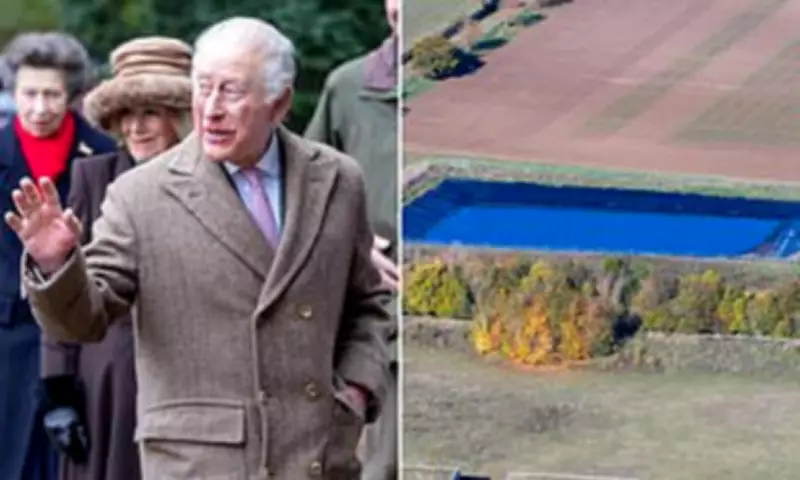
King Charles has been granted official permission to construct a substantial slurry storage facility in close proximity to Prince William's Sandringham residence at Anmer Hall. The decision comes despite significant objections from local residents in the nearby village of Flitcham, who have voiced strong concerns about potential health impacts, environmental pollution, and unpleasant odours.
Scale and Purpose of the Agricultural Development
The approved structure will measure an impressive 4,000 square metres, equivalent to the area of four Olympic-sized swimming pools. This substantial facility is designed to hold nearly 10,000 cubic metres of organic fertiliser, which will be utilised across the estate's extensive 2,700-hectare agricultural holdings. The primary purpose is to store animal manure before its application as nutrient-rich organic fertiliser on fields cultivating various crops including wheat, barley, beans, and heritage oat varieties.
This development represents a strategic move toward more sustainable farming practices, as outlined in planning documents submitted to King's Lynn and West Norfolk Borough Council. The organic fertilisers are expected to improve soil health, capture carbon, and reduce reliance on manufactured chemical alternatives. The estate's agricultural operations include substantial flocks of Aberfield sheep and Beef Shorthorn cattle, alongside converted agroforestry areas featuring diverse tree plantings and wildflower strips.

Local Concerns and Planning Authority Response
Residents of Flitcham have expressed considerable alarm about the project's implications. Key concerns raised by the community include:
- Potential health impacts on vulnerable populations, including primary school children and elderly residents
- Risk of water pollution from the substantial manure storage facility
- Anticipated increase in flies and unpleasant odours affecting quality of life
- Possible negative effects on local tourism and associated economic activity
- Increased heavy vehicle traffic navigating narrow country lanes
One local resident commented to the Daily Mail: 'We are all used to farmyard smells around here – but this lagoon will be enormous. Everyone is worried it will create a massive stink. Goodness knows what William and Kate think about it.' Another objector highlighted particular concern about the facility's proximity to the village settlement and its potential impact on residents' physical and mental wellbeing.
Planning officer Lucy Smith addressed these concerns in her detailed report, stating that while neighbour comments were noted, 'there is no mechanism in place for the Local Planning Authority to consider general odour impacts from a nuisance perspective.' She further concluded that no adverse tourism impacts were considered likely given the site's agricultural surroundings, and that the approval decision would be lawful.
Design and Operational Considerations
The planning application included specific design features intended to mitigate visual and environmental impacts. The lagoon will be enclosed by a landscaped bund seeded with meadow grass and wild flowers, with mature vegetation along field boundaries helping to minimise visual intrusion within the wider landscape. The site was selected for its central location relative to the network of fields it will serve and its proximity to existing farm tracks for efficient transport operations.
The facility's strategic positioning will enable the agricultural business to acquire fertiliser during periods of greater supply outside peak seasons, storing it on-site until spring application. This operational advantage supports more efficient resource management across the extensive landholding, half of which is farmed directly by the estate while the remainder is managed by tenant farmers.

King Charles assumed responsibility for the 20,000-acre Sandringham estate in 2017 following Prince Philip's retirement from public life. This latest development represents a continuation of the monarch's commitment to sustainable agricultural practices on the royal holdings, though it has undoubtedly created tension between environmental objectives and local community concerns in this picturesque part of Norfolk.