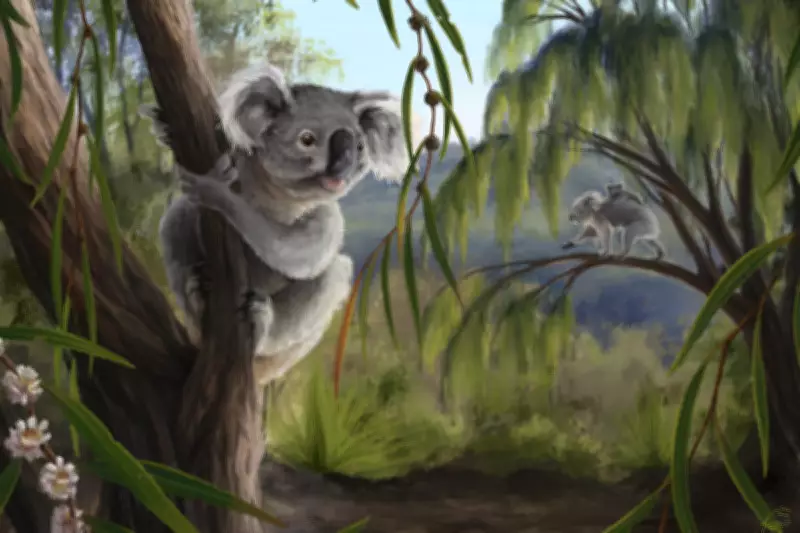
A remarkable new discovery from Western Australian caves has rewritten the evolutionary history of Australia's beloved koala. Researchers have identified a distinct species of koala that once roamed the region, challenging long-held assumptions about the animal's past.
Unexpected Donation Sparks Research
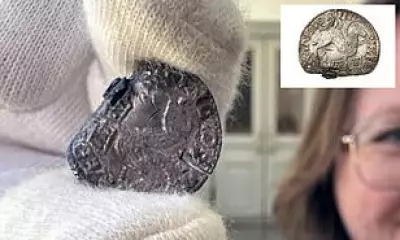
In 2024, the Western Australian Museum received a peculiar donation: a koala skull collected from Moondyne Cave in Margaret River by avid caver Lindsay Hatcher. The skull had unusual dimples, prompting scientists to investigate further. Koalas are iconic on Australia's east coast but are regionally extinct in Western Australia today. However, fossils tell a different story, revealing that koalas once lived across parts of WA, from the Margaret River region to Yanchep and as far east as Madura.
New Species Identified
In a study published in Royal Society Open Science, researchers show these WA koalas were not simply stray populations of the modern koala. They represent a distinct species, Phascolarctos sulcomaxilliaris, meaning "grooved maxilla" due to a deep, rounded groove in the cheek region of the upper jaw. This feature is far deeper than anything seen in living koalas. The WA species also has a shorter, more robust skull, differences in the ear-bone region, and generally broader teeth.

What the Groove Was For
In living koalas, lip and nose muscles attach in the same general area. The exaggerated sulcus in the fossil species likely made space for larger muscles, potentially giving it a more mobile upper lip for manipulating tougher leaves or shoots, or enhancing nostril movement and smell. The bones of the skeleton were also more long and thin, suggesting the WA koala was a more slender species.
Dating the Extinction
With the help of local cave researchers from the Western Australian Speleological Group, the team revisited Koala Cave in Yanchep, and Moondyne and Foundation Caves near Margaret River. Uranium-thorium dating of the newly described fossils, and radiocarbon dates for others, suggest the koala went extinct roughly 28,000 years ago. Around that time, the climate became colder and drier, and the south-west eucalyptus forests shrank dramatically for almost 10,000 years. As shelter and food declined, the extinction of this species was likely inevitable.
Reshaping Koala History
This discovery matters for two reasons. First, it reshapes koala history: the modern koala was not the only koala species in the recent past, and WA hosted its own distinctive lineage. Four species of koalas are now known to have lived in Australia over the last few million years, including the living Phascolarctos cinereus in eastern Australia and the giant Pleistocene koala Phascolarctos stirtoni. Second, it is a deep-time reminder that koalas are tightly bound to forests. When those forests shrink fast enough, even adaptable mammals can vanish from entire regions. In a warming, drying Australia, understanding how past climate shifts transformed habitats helps us anticipate the risks facing the koalas that remain today.
The story of the WA koala is a lesson learned to protect the last living koala species. Protecting the eastern eucalypt forests from climate change and deforestation is paramount for the survival of koalas in the future.