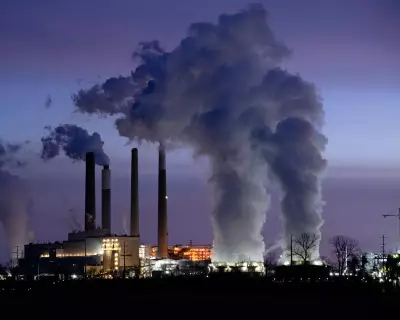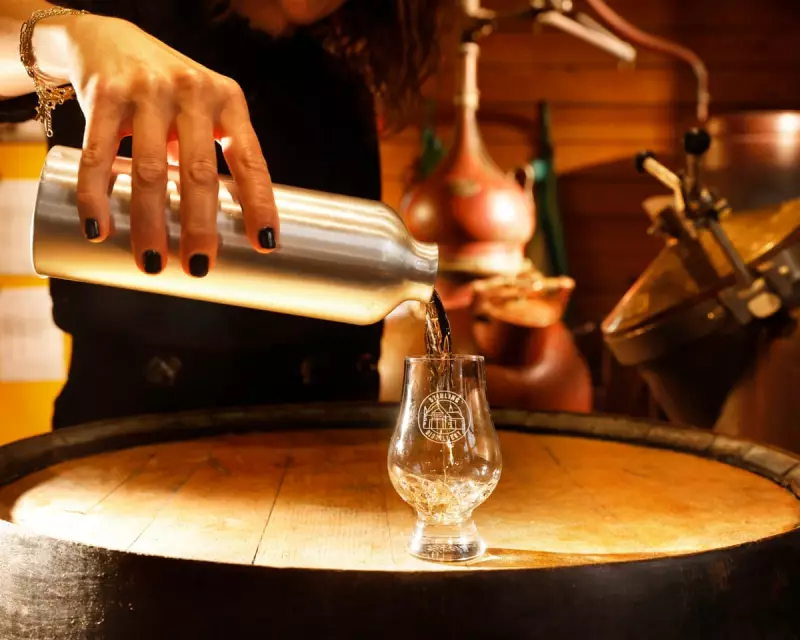
A prominent environmental campaigner has challenged the "green" credentials of aluminium bottles being trialled by a Scottish whisky distillery, arguing their production relies on a hydropower dam devastating a famous salmon river.
The Dam at the Heart of the Dispute
The controversy centres on the Spey dam in the Scottish Highlands. This structure provides a portion of the electricity for the aluminium smelter at Fort William. According to an independent report commissioned by the Spey Fishery Board, the dam is responsible for a staggering 66% of all water abstraction from the River Spey.
Beyond water removal, the dam presents a critical physical barrier. It acts as a severe obstruction to migratory fish, including the Atlantic salmon. This species, once abundant in Scottish waters, is now officially classified as endangered, with populations in steep decline.

Whisky Bottles and a Question of Sustainability
The issue came to light following a Guardian article on 11 January about Stirling Distillery trialling aluminium bottles. The distillery's marketing suggested younger, eco-conscious consumers might prefer aluminium over glass due to its perceived better environmental footprint.
However, Charlie Whelan, a member of the Spey Fishery Board, strongly contests this claim. In a letter to the editor, he states that aluminium production at Fort William is "anything but green" because of its reliance on power from the ecologically damaging Spey dam.
The Spey Fishery Board is now spearheading a campaign to "release the Spey", calling on the Scottish government to remove the dam entirely. They argue that protecting the river's fragile ecosystem is paramount, especially for the world-renowned Speyside whisky region, which depends on the area's natural heritage.
A Conflict of Green Ideals
This situation highlights a complex conflict between different environmental priorities. While aluminium recycling is often promoted, the initial production's energy source and local ecological impact are brought into sharp focus.
The independent report by environment consultancy Envirocentre confirms the River Spey is under significant pressure from overabstraction, primarily due to the dam. With salmon numbers critically low, the campaign emphasises that true sustainability must consider entire ecosystems, not just a product's end-of-life recyclability.
As Whelan concludes, Speyside produces some of the world's finest whiskies, and many hope it will never be served from bottles whose production undermines the very environment that gives the region its character.