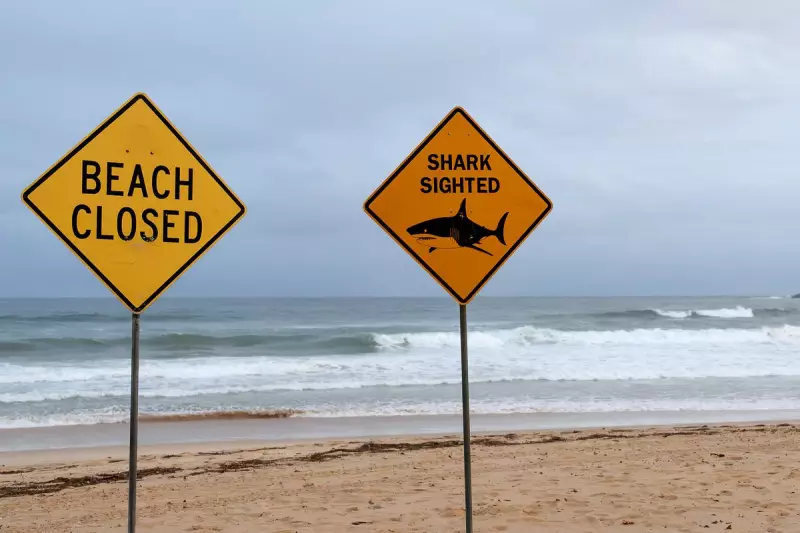
Four individuals have been bitten by sharks in New South Wales over a two-day period, with three of these alarming incidents occurring within Sydney Harbour itself. Two of the victims are reported to be in a critical condition, prompting urgent responses from local authorities and marine experts.
Bull Sharks Identified as Primary Suspects
Marine biologists have identified bull sharks as the most likely species responsible for this spate of attacks. These predators are known for their remarkable ability to tolerate a wide range of water salinities, which allows them to venture into estuaries and harbours that other shark species typically avoid.
Climate Change Extending Shark Presence
Rising ocean temperatures, a direct consequence of climate change, are causing bull sharks to spend extended periods in warmer coastal waters. Sydney Harbour, with its increasingly temperate conditions, has become a more attractive and prolonged habitat for these animals.

Heavy Rainfall Creating Dangerous Conditions
Recent heavy rainfall in the region has led to nutrient-rich and murky waters within Sydney Harbour. This environment attracts large numbers of prey fish, which in turn draw larger predators like bull sharks. The reduced visibility significantly increases the risk of mistaken identity bites, where sharks may confuse swimmers with their usual prey.
Safety Measures and Beach Closures
In response to the attacks, authorities took the precautionary measure of closing at least twenty beaches across Sydney's Northern Beaches for a forty-eight hour period. Marine experts are advising residents and visitors to adapt to the extended presence of bull sharks in these waters.
Key safety recommendations include avoiding swimming after heavy rainfall events, when water conditions are most favourable for shark activity. The community is urged to remain vigilant and heed official warnings as the situation develops.