Fishermen across New South Wales are intensifying their calls for the state government to urgently increase shark bag limits, following a concerning cluster of four shark attacks recorded within a mere 48-hour period. This push comes alongside stark warnings from marine experts that recent heavy rainfall and sewage system overflows may be luring bull sharks perilously closer to shorelines, thereby elevating risks for swimmers and surfers.
Commercial Fisherman Highlights Regulatory Constraints
Jason Moyce, a second-generation commercial fisherman with over four decades of experience working the NSW south coast, has voiced significant frustration with current regulations. He asserts that existing rules severely hamper both commercial and recreational operators from effectively managing what he perceives as escalating shark numbers in coastal waters.
Mr Moyce reported observing a notable surge in activity from bronze whaler and bull sharks in recent weeks, a phenomenon he directly links to the substantial rainfall that battered Sydney and the state's coastline over the weekend. "Current rules leave us with virtually no ability to manage rising shark numbers," he stated.

Understanding the Current Catch Limits
Under the present NSW Fisheries framework, recreational anglers are permitted to take a maximum of five sharks per day, with a restriction of only one shark per species. Commercial operators face even more stringent controls, being capped at 500 kilograms of shark per week.
Mr Moyce explained that this weekly commercial limit often translates to just two animals, depending on the species and their size. He advocates for a measured easing of these restrictions, arguing it would enable fishers to contribute more meaningfully to reducing potentially dangerous human-shark encounters.
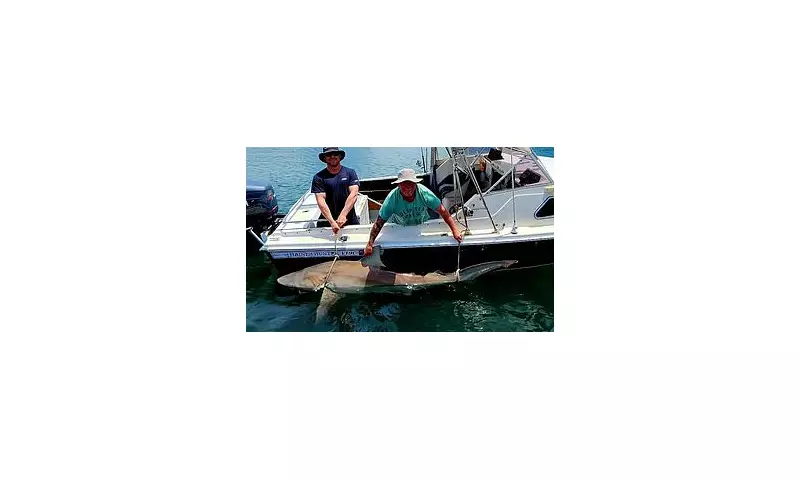
"Doubling the take would actually put a little dent in the population," Mr Moyce told ABC News. "I'm not calling for an all-out slaughter, but definitely an increase in catch rates would help." He recently assisted in catching a large bronze whaler shark in shallow waters off Eden, near Kiah Inlet, just before Christmas, warning that numerous sharks were present in the area.
Expert Warns of a "Perfect Storm" for Shark Activity
Chris Pepin‑Neff, a public policy expert from the University of Sydney, delivered a grave warning during an appearance on Sunrise, stating he would never swim in Sydney Harbour outside of netted baths. He described the current conditions as creating a "perfect storm" for increased shark activity.
"My friends jump off boats on nice days - I've never done that," Mr Pepin‑Neff said. "If it's a warm night and a warm morning, the bull sharks are coming toward the surface, and I would not be swimming."
Sewage System Identified as a Key Factor
Mr Pepin‑Neff emphasised that the recent spike in incidents is not attributable to a sudden increase in the shark population. "This is not more sharks, which is why culling doesn't work," he argued. Instead, he pointed to a confluence of environmental factors, notably highlighting the role of Sydney Harbour's century-old sewage infrastructure.
He explained that these ageing pipes can overflow after as little as 20mm of rainfall—far less than the deluge experienced over the weekend. This overflow attracts bait fish, which subsequently draw bull sharks closer to the surface and nearer to shore as they follow their food source.
Official Advice: Stay Out of the Water
A spokesperson for the NSW Department of Primary Industries and Regional Development has issued a strong advisory, urging the public to avoid entering the water under the current conditions.
"Recent weather along the New South Wales coast continues to create conditions that significantly increase the likelihood of shark activity, especially bull sharks," the spokesperson said. "If you're near the coastline, it's important to understand how the environment can influence shark behaviour."

The department's warning underscores the immediate risks, as victims of the recent attacks, including Andre de Ruyter who remains in critical condition at Royal North Shore Hospital, highlight the severe consequences. The incidents have shocked communities, with one victim, Nico Antic, remembered as a talented soccer player who represented his club internationally.
The debate now centres on balancing marine management, public safety, and ecological considerations, as authorities, experts, and the fishing community grapple with the complex challenge posed by this dangerous spike in shark encounters along the NSW coast.