Surviving a Shark Attack: Personal Insights and Safety Innovations
Shark attacks represent some of the ocean's most terrifying encounters, typically unfolding with breathtaking speed and concluding within a mere 15 seconds. These brief but intense incidents leave lasting impressions on survivors, who often gain unique perspectives on marine predator behaviour and human vulnerability in aquatic environments.
The Swift Reality of Shark Encounters
Contrary to popular assumptions about mistaken identity, sharks operate as remarkably efficient predators honed by millions of years of evolution. Their attacks frequently rely on the element of surprise, with experts noting that "it is the shark that you don't see that will get you." This predatory efficiency makes prevention challenging through conventional means like physical barriers or nets, which may prove insufficient against a determined shark targeting its prey.
Professor Jack Carlsen's personal experience illustrates this reality vividly. While surfing alone at Redgate Beach in 2004, he first noticed unusual behaviour from a juvenile seal attempting to approach him closely. Turning to investigate, he spotted a large grey fin accelerating rapidly toward them. "That scene has played over and over in my mind ever since," Carlsen recalls, describing how the encounter triggered an immediate fight-or-flight response.

Human Response Mechanisms in Crisis Moments
During such high-stress situations, the human brain undergoes remarkable changes. Carlsen describes experiencing a "brain fade" where consciousness narrows to eliminate distractions, accompanied by a massive adrenaline surge that prepares the body for emergency action. This primitive defence mechanism, evolved over millennia, parallels the sophisticated attack adaptations developed by sharks through their own evolutionary journey.
In Carlsen's case, this physiological response enabled his escape to safety, though he emerged from the water in shock. He believes the seal was likely the shark's primary target that day, but the proximity created a dangerous situation for any nearby human. This incident underscores how quickly recreational ocean activities can transition from leisure to life-threatening scenarios.
Information Gaps in Current Safety Approaches
Most people engaging in ocean activities rationalise shark attack risks as statistically remote, but these assessments often rely on incomplete information. While local communities frequently share sightings through informal networks among surfers, fishers, and divers, visitors and occasional ocean users frequently remain unaware of developing threats.
A tragic example occurred in southwest Western Australia, where surfers witnessed a shark circling an unaware individual days before a fatal attack in the same area. The subsequent victim might have made different decisions with better access to timely, accurate risk information. This highlights the critical need for improved communication systems that transcend informal networks.
Proposing a Comprehensive Alert System
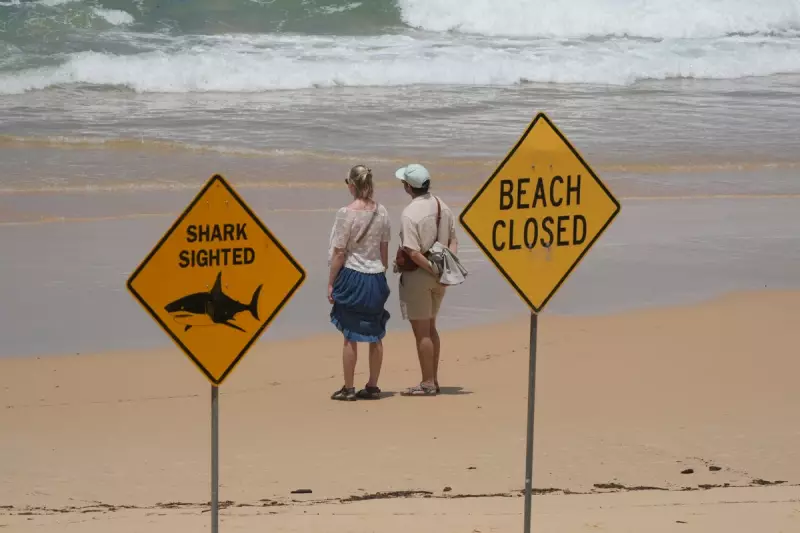
Carlsen advocates for developing a web-based Shark Alert System with social media integration, providing real-time warnings to surfers, divers, and swimmers. This system would feature consistent signage and mobile notifications, potentially monitored by responsible community members collaborating with relevant agencies.
The proposed system could eventually expand nationally after refinement in high-risk areas like southwest Australia. Accompanying this technological solution, a Shark Aware Program would educate ocean users about practical safety measures:

- Consulting alert systems before entering the water
- Avoiding solo excursions, particularly during overcast conditions
- Recognising shark activity indicators like seal presence
- Learning first aid techniques for emergency response
- Storing emergency contact information for quick access
Balancing Enjoyment with Ocean Realities
While shark attack risks can never be completely eliminated, improved information systems and awareness programs could significantly reduce preventable incidents. Such measures would provide both locals and visitors with better tools for making informed decisions about ocean activities, potentially saving lives while preserving the enjoyment of marine environments.
As Carlsen concludes from his experience and research, "awareness and vigilance are maintained into the future and avoidable deaths and associated trauma are minimised" through proactive, community-informed safety approaches that acknowledge sharks' evolutionary perfection as predators while enhancing human preparedness.