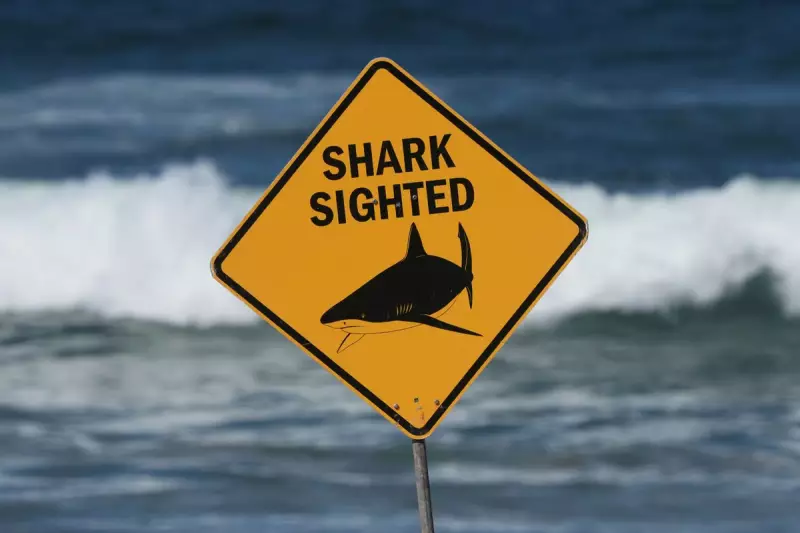
Recent Shark Attacks in New South Wales Raise Safety Concerns
Four individuals were bitten by sharks over a two-day period in New South Wales, with three of these incidents occurring within Sydney Harbour. Two of the victims are reported to be in critical condition, prompting urgent discussions about marine safety in urban waterways.
The Adaptable Bull Shark: A Unique Predator
While the specific shark species responsible for these recent attacks remains unidentified, experts suggest that bull sharks (Carcharhinus leucas) are likely involved. This remarkable species possesses an extraordinary ability to tolerate varying salinity levels, allowing it to thrive in environments ranging from oceanic waters to brackish estuaries and even freshwater river systems.
Bull sharks have long inhabited warmer Australian coastal regions, with their distribution extending from Western Australia's southwest coast around the northern territories and down the eastern seaboard to the New South Wales-Victorian border. Their presence in Sydney Harbour has been the subject of scientific study for several years, revealing concerning patterns related to climate change.

Climate Change Extends Shark Presence in Urban Waterways
Research indicates that bull sharks are spending increasingly longer periods in their summer habitats – including shallow coastal waters, estuaries, and rivers – as ocean temperatures continue to rise. Last year's studies revealed that these predators now spend approximately one extra day per year in these areas compared to previous patterns.
The recent heavy rainfall in Sydney has exacerbated the situation by flushing nutrient-rich water from agricultural areas and wastewater treatment plants into the harbour system. This nutrient influx attracts baitfish and larger marine species, which in turn draw predatory sharks into closer proximity to human activity areas.
Murky Waters and Mistaken Identity
Stormwater runoff significantly reduces water clarity in harbour environments, creating conditions where bull sharks must rely more heavily on their hearing and electroreception capabilities rather than sight when hunting. This sensory adaptation can unfortunately lead to cases of mistaken identity, where sharks may bite humans while investigating potential food sources.
It's crucial to understand that humans do not constitute a natural food source for bull sharks. The vast majority of negative interactions result from exploratory bites rather than predatory attacks. However, these exploratory bites can still cause serious injuries due to the shark's powerful jaws and sharp teeth.
Why Bull Sharks Frequent Estuaries and Rivers
Bull sharks possess a unique biological adaptation that allows them to regulate their internal salt concentrations, enabling movement between saltwater and freshwater environments. This capability distinguishes them from most other shark species and explains their presence in river systems worldwide.
Female bull sharks demonstrate strong natal homing instincts, returning to their birth rivers to deliver live young. The newborn sharks, which resemble miniature adults, remain in these protected river environments during their early development stages. Juvenile bull sharks typically spend their first five years in lower estuary areas where they can avoid larger predators while opportunistically feeding on available prey.
Opportunistic Feeding Behaviours
Scientific examination of bull shark stomach contents has revealed remarkably diverse dietary habits, including consumption of wood, metal, and various inorganic materials alongside their preferred fish prey. This opportunistic feeding strategy contributes to their success in varied environments but also increases the likelihood of investigative bites in murky waters.
Estuarine environments naturally contain higher sediment and nutrient levels than open ocean waters, reducing visibility and forcing bull sharks to depend on alternative sensory mechanisms. Their ability to detect weak electrical fields generated by living organisms, combined with acute hearing and smell, makes them effective hunters in low-visibility conditions.

Six Essential Safety Measures for Water Users
Following the recent attacks, authorities have temporarily closed at least twenty beaches in Sydney's Northern Beaches region for forty-eight hours. While this provides some immediate protection, shark experts recommend additional precautions:
- Avoid swimming in murky water whenever possible, as reduced visibility increases the risk of mistaken identity bites.
- Refrain from entering Sydney Harbour after periods of heavy rainfall when water quality is poorest.
- Postpone surfing activities at nearshore beaches until water clarity improves significantly.
- Steer clear of fishing areas, particularly locations where fish cleaning occurs, as these activities can attract sharks.
- Avoid waters with visible baitfish concentrations or where marine predators like dolphins are actively hunting.
- Regularly monitor official updates from local council and state fisheries websites for current shark safety information.
Maintaining Perspective on Shark Risks
It's important to maintain a balanced perspective regarding shark interactions. Australian shark incident databases indicate that the overwhelming majority of negative encounters result from exploratory bites or incidental contact during fishing activities rather than predatory attacks.
Queensland residents have developed adaptation strategies over many years to coexist with bull sharks in their waterways. These include avoiding swimming in known bull shark habitats such as Gold Coast canals and the Brisbane River, particularly following heavy rainfall events.
Adapting to Changing Marine Environments
As ocean temperatures continue to rise due to climate change, bull sharks are likely to extend their presence in Sydney Harbour and other New South Wales estuaries. This evolving situation may require Sydney residents and visitors to develop new safety habits and awareness similar to those already established in Queensland.
The combination of climate-driven behavioural changes and urban waterway conditions creates complex challenges for marine safety management. By understanding shark behaviour and implementing practical safety measures, water users can significantly reduce their risk while continuing to enjoy Australia's beautiful coastal and estuarine environments.