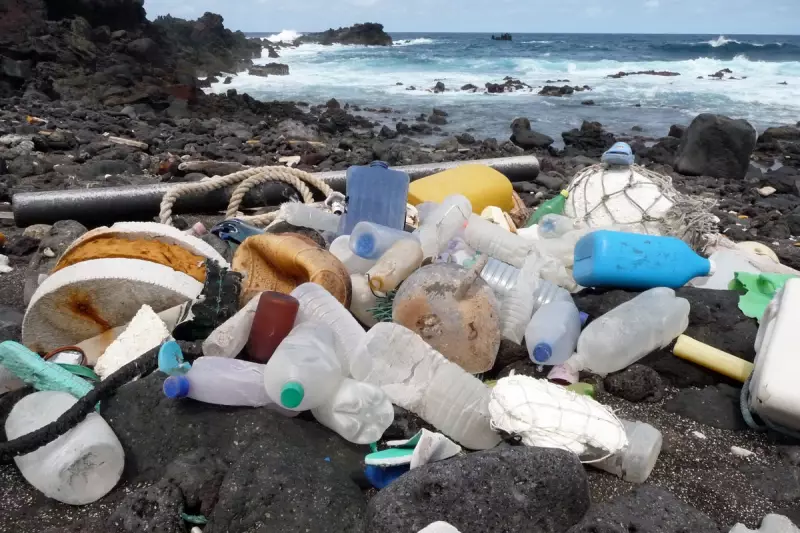
A stark new study published in the Lancet Planetary Health journal has projected that the adverse health consequences stemming from the global plastic system are set to more than double by the year 2040 if current trends persist. The research paints a concerning picture of extensive health harms linked to every single stage of plastic's lifecycle, from the initial extraction of raw materials right through to its eventual disposal.
Health Harms at Every Stage
The study meticulously identifies a range of serious health issues, including respiratory illnesses and various cancers, that are directly associated with plastic production and waste. These risks are not isolated to one phase but are pervasive throughout the entire system, highlighting the deep-rooted nature of the problem.
Drivers of the Projected Increase
The primary drivers behind this alarming projected increase in health impacts are threefold. Greenhouse gas emissions account for approximately 40 per cent of the burden, followed closely by air pollution at 32 per cent, and the release of toxic chemicals contributing 27 per cent. These factors are released continuously throughout the plastic lifecycle, compounding the global health threat.

Quantifying the Human Cost
Under a "business as usual" scenario, the annual loss of healthy years of life attributable to plastics is forecast to rise dramatically. The study estimates this could surge from 2.1 million in 2016 to a staggering 4.5 million by 2040. This metric, known as disability-adjusted life years (DALYs), underscores the significant human cost of inaction.
Urgent Call for Systemic Change
The research concludes that a "full system change" is imperative to mitigate this escalating crisis. Such a transformation would need to include stringent limits on plastic production and substantially improved waste management practices. The study suggests that implementing these measures could potentially reduce the global health burden by up to 43 per cent by 2040, offering a viable path forward.
This comprehensive analysis serves as a critical wake-up call, emphasising that without decisive and coordinated global action, the health implications of plastics will continue to soar, affecting millions of lives worldwide.