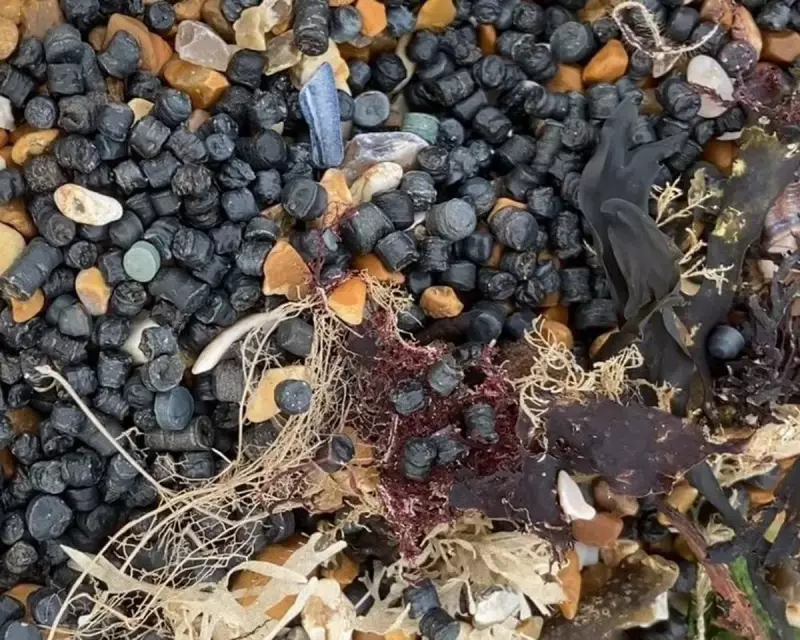
A major environmental incident has unfolded on the picturesque Camber Sands in East Sussex, where millions of tiny plastic pellets, known as 'bio-beads', have been spilled into the natural environment. Southern Water, the local water company, has publicly accepted blame for the spillage, which resulted from a mechanical failure at one of its treatment facilities.
What Are Bio-Beads and Why Are They Dangerous?
Despite their name, bio-beads are made of artificial plastic materials. These small pellets, measuring roughly 5mm in length with a dimpled surface, are used in wastewater treatment plants as a filtering medium. Their purpose is to capture bacteria and other contaminants, forming a biofilm of microorganisms that break down pollutants.
The environmental danger they pose is severe and multi-faceted. Firstly, as plastic items, they are a direct source of pollution. They attract algae and develop a smell that mimics food, leading birds, fish, and even dolphins to ingest them, often with fatal consequences. Over time, they degrade into persistent microplastics that are virtually impossible to clean up.

Furthermore, these beads are sometimes manufactured from recycled electronic waste, meaning they can be contaminated with heavy metals and carcinogenic polycyclic aromatic hydrocarbons. Having been used to soak up harmful bacteria, they also risk spreading pathogens into the coastal ecosystem.
A Recurring Problem with Lasting Consequences
This is not an isolated event for the Sussex coast. A report by the Cornish Plastic Pollution Coalition identifies Cornwall and the Channel coast as UK hotspots for this type of pollution. Camber Sands itself has suffered similar major spillages in 2010 and 2017, with beads from those incidents still being found on the beach today.
The difficulty of cleanup was starkly illustrated as volunteers spent days on their hands and knees, attempting to remove the beads by hand. Given their size and quantity, a complete cleanup is unfeasible, meaning this recent spill will likely impact the local environment for many years to come.
Are There Viable Alternatives to Plastic Bio-Beads?
Yes, more sustainable options exist, though they often come with a higher price tag. Filters made of glass or biodegradable materials like coconut shells are available and pose a far lesser environmental threat if spilled.
Water companies can also opt for different technologies altogether. Many use fixed filters, such as solid 'bio-blocks' made from ceramics or concrete, which eliminate the risk of mobile plastic pellet pollution. Another advanced method is electrocoagulation, which uses electric currents to purify water without the need for plastic media.
The recent catastrophe at Camber Sands underscores the urgent need for the water industry to invest in these safer, more sustainable filtration technologies to prevent future environmental damage.