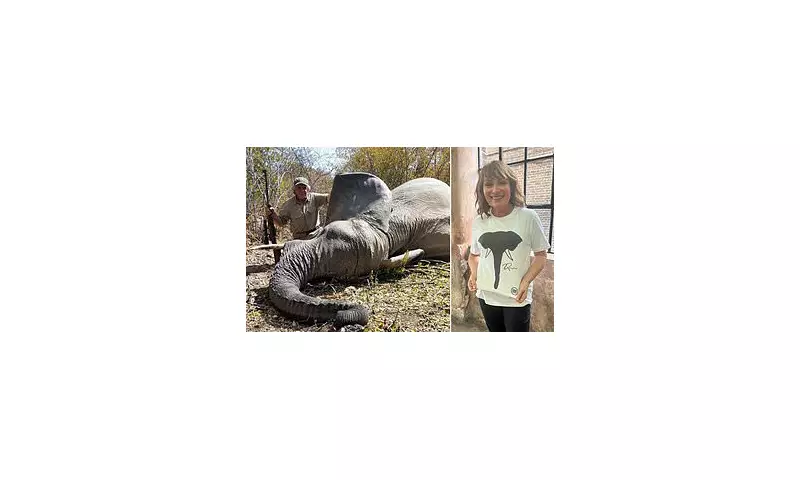
Five African nations have launched a withering and coordinated diplomatic attack on the Labour Party's controversial plan to ban the import of big game hunting trophies into the United Kingdom. The London-based ambassadors and high commissioners representing Botswana, Zimbabwe, Zambia, Namibia, and Tanzania have sent a scathing joint letter to Environment Secretary Emma Reynolds, expressing profound dismay and warning of severe unintended consequences.
A Diplomatic Broadside on Conservation Policy
The diplomats have revealed that their repeated calls for an urgent meeting to discuss British conservation policy have been consistently ignored by the UK government. In their strongly-worded correspondence, they argue that the proposed import prohibition will cause severe and lasting damage to both endangered animal populations and the livelihoods of rural villagers who depend on regulated hunting revenues.
They wrote emphatically: 'The UK Government's ongoing commitment to ban the import of hunting trophies has major implications for conservation outcomes and the UK's long-standing commitment to the wellbeing of rural communities in our nations. An import prohibition may unintentionally weaken conservation systems that have proven effective in our region.'

Indigenous Voices Decry 'Colonial' Approach
Adding significant weight to the diplomatic protest, a spokesman for the indigenous peoples of southern Africa has weighed in with a powerful condemnation. Anthony Williams, the president of the lobby group Indigenous Peoples Network of Southern Africa, has written directly to Chancellor Rachel Reeves, branding the proposed policy move as 'colonial and hypocritical'.
Mr Williams provided a detailed rationale, stating: 'In many remote areas, regulated hunting is one of the few reliable ways to fund conservation. Revenues from the selective harvesting of older animals pay for anti-poaching patrols, support rangers who protect rural communities, and maintain large wildlife areas that tourism alone cannot sustain.'
He further highlighted a glaring inconsistency in the UK's position, noting that the Government currently has no plans to ban trophy heads from the thousands of deer shot in Britain every year. This selective targeting, he argued, 'risks repeating patterns reminiscent of the colonial past' by imposing policies on African nations without proper consultation with the indigenous people most affected.
Celebrity Campaigns and Public Backlash
The political controversy unfolds against a backdrop of high-profile celebrity campaigns against trophy hunting. Last year, television presenter Lorraine Kelly publicly teamed up with comedian Ricky Gervais in his high-visibility campaign to raise awareness against the practice.
Ms Kelly wrote forcefully on social media at the time: 'Proud to support this campaign! It's a DISGRACE that UK hunters can kill elephants for fun... #BanTrophyHunting.' This sentiment reflects a significant strand of British public opinion that views trophy hunting as an unethical sport rather than a conservation tool.
The emerging conflict presents the Labour government with a complex diplomatic and environmental challenge. On one side, it faces pressure from domestic campaigners and celebrities advocating for an ethical ban; on the other, it confronts vehement opposition from African nations and indigenous groups who argue that such a ban would undermine decades of successful, community-based conservation efforts.