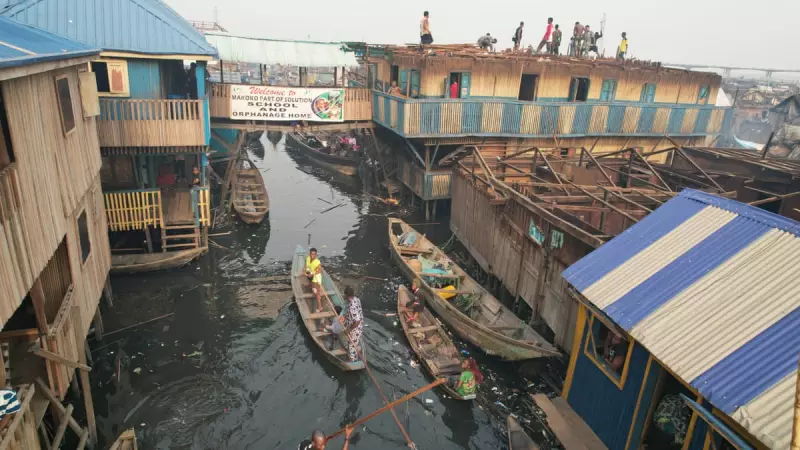
Lagos Waterfront Demolition Triggers Displacement Crisis in Makoko
The recent demolition of waterfront communities in Lagos, Nigeria, has ignited a significant humanitarian crisis, with the historic settlement of Makoko bearing the brunt of the displacement. This action, carried out by local authorities, has resulted in the forced eviction of hundreds of residents, leaving many without shelter or access to basic services. The situation underscores the ongoing tensions between urban development initiatives and the rights of vulnerable populations in one of Africa's largest cities.
Impact on Makoko Residents
Makoko, often referred to as the "Venice of Africa" due to its stilt houses and waterways, has long been home to a vibrant community of fishermen and traders. The demolition has not only destroyed homes but also disrupted livelihoods, as many residents rely on the waterfront for their daily income. Reports indicate that families have been left scrambling to find temporary accommodation, with some forced to sleep in open areas or seek refuge with relatives in overcrowded conditions. The lack of adequate warning or compensation has exacerbated the distress, leading to protests and calls for government intervention.
Urban Development and Housing Rights
Authorities in Lagos have cited urban renewal and environmental concerns as reasons for the demolition, arguing that the waterfront areas are prone to flooding and pose health risks. However, critics contend that the move is part of a broader trend of gentrification, aimed at clearing land for luxury developments that cater to the city's elite. This has raised serious questions about housing rights and the equitable distribution of urban resources. Human rights organisations have condemned the actions, emphasising the need for inclusive policies that protect the interests of all citizens, particularly those in informal settlements.

Broader Implications for Lagos
The displacement in Makoko is not an isolated incident but reflects a larger pattern in Lagos, where rapid urbanisation often clashes with the needs of low-income communities. As the city continues to grow, balancing development with social justice remains a critical challenge. The demolition has sparked a wider debate on sustainable urban planning, with experts calling for more participatory approaches that involve residents in decision-making processes. Without such measures, similar crises are likely to recur, threatening the social fabric of the city.
Looking Ahead
In response to the outcry, some local leaders have promised to review the demolition policies and explore alternatives for affected residents. However, concrete actions have yet to materialise, leaving many in Makoko uncertain about their future. The situation highlights the urgent need for robust legal frameworks and enforcement mechanisms to safeguard against forced evictions. As Lagos strives to modernise, ensuring that development benefits all segments of society will be essential for long-term stability and prosperity.