One of the world's leading badminton players has made a stark withdrawal from a major tournament for the third year running, pointing to the hazardous air quality in India's capital as the reason.
A Decision Driven by Health Concerns
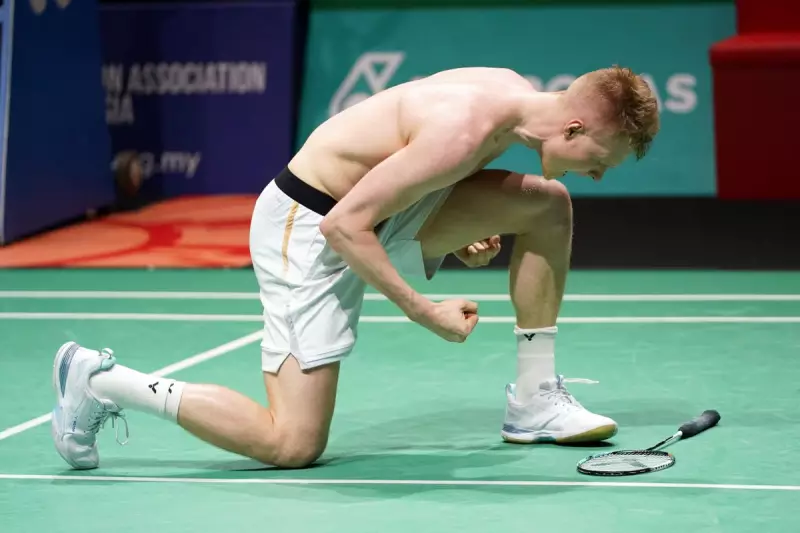
Anders Antonsen, the Danish star ranked third globally by the sport's governing body, announced on social media that he would not compete in the India Open in Delhi. He explicitly blamed the city's "extreme pollution" for his decision, which resulted in a $5,000 (£3,900) fine from the Badminton World Federation (BWF).
To underscore his point, Antonsen shared a screenshot from air quality monitor IQAir showing Delhi's Air Quality Index (AQI) at 348 on Wednesday, a level classified as "very poor". "Due to the extreme pollution in Delhi at the moment, I don't think it's a place to host a badminton tournament," he wrote. He added a hopeful note for the upcoming World Championships, scheduled for the summer, saying: "Crossing my fingers that it will be better."

Broader Scrutiny of Tournament Conditions
Antonsen's withdrawal follows similar criticism from his compatriot, Mia Blichfeldt, who raised significant concerns about hygiene and training conditions at the venue. She posted images highlighting dirty floors and the presence of birds inside the stadium, stating to The Indian Express: "I am happy with the court conditions but not the health conditions."
These complaints have sparked a debate about whether the event meets international standards. However, Indian officials have pushed back. The Badminton Association of India's General Secretary, Sanjay Mishra, told Firstpost that the main arena was clean and free of pigeons, and that many players were satisfied. He suggested Blichfeldt's comments reflected a personal sensitivity to environmental factors.
A Recurring Problem for Sport in Delhi
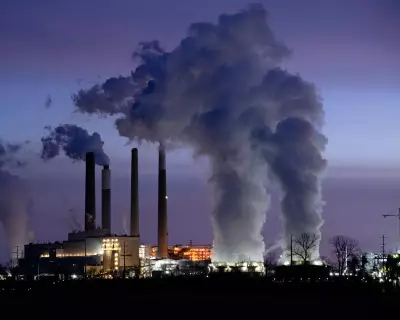
The controversy places a renewed spotlight on Delhi's severe winter pollution, a chronic issue caused by vehicle emissions, industrial activity, and agricultural burning. The city frequently tops global lists for poor air quality during this season, with AQI levels often reaching "severe" categories. For athletes, prolonged exposure at such levels is linked to:
- Respiratory irritation
- Reduced lung function
- Increased health risks during high-intensity training
This is not an isolated incident in Indian sport. In recent years, cricketers, footballers, and marathon runners have all voiced concerns about competing in Delhi during peak pollution. The issue gained international attention in December when football icon Lionel Messi's flight was delayed by smog, and protests about air quality echoed during his stadium appearance.
The India Open dispute raises pressing questions about how global sporting bodies should respond to environmental risks in host cities, especially as climate and pollution challenges intensify worldwide. Antonsen has not yet indicated if he will consider returning to the tournament in future years.