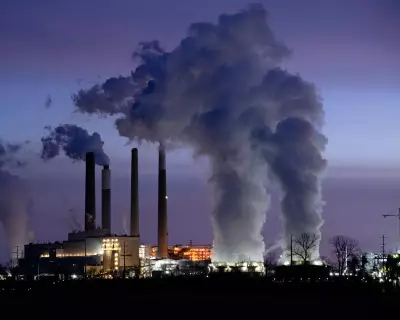
Delhi's catastrophic air pollution crisis seized global attention this week as a toxic smog blanket disrupted travel, closed schools, and overshadowed a high-profile visit by football legend Lionel Messi.
Flight Chaos and Political Disruption
The crisis reached a peak on Monday, 15 December 2025, as official data showed air quality index (AQI) readings at or near the maximum level of 500, placing the capital in the "severe" category for a third straight day. The thick smog caused dangerous visibility reductions at Indira Gandhi International Airport.
This led to massive travel disruption: at least 228 flights were cancelled and over 400 were delayed on Monday alone. Five inbound flights had to be diverted. The low visibility also delayed Prime Minister Narendra Modi's departure for a three-nation tour by approximately an hour.

Messi's Visit Overshadowed by Public Anger
The environmental emergency directly impacted the final leg of Lionel Messi's G.O.A.T Tour. His chartered flight, scheduled to land before 11am, was delayed, touching down only after 2:30pm. This pushed back his appearance at Delhi's Arun Jaitley Stadium by several hours and forced the cancellation of a planned meeting with PM Modi.
Public frustration boiled over during the event. When Delhi Chief Minister Rekha Gupta joined Messi on stage, sections of the crowd chanted "AQI, AQI" in protest. Local media reported that she was booed while leaving the venue, a clear sign of mounting public anger over the pollution crisis.
Emergency Measures and Ongoing Crisis
Authorities have imposed a series of emergency restrictions in response to the dangerous conditions. These include:
- Shifting schools to online or hybrid learning modes.
- Suspending construction activity, including on public infrastructure projects.
- Banning the entry of older diesel trucks into the city.
- Urging residents, especially those with health conditions, to stay indoors.
India's pollution watchdog attributed the sudden spike to high moisture levels and shifting wind patterns that trapped emissions near the ground. The problem is an annual winter phenomenon for Delhi's 30 million residents, exacerbated by vehicle emissions, industry, construction, and crop burning in neighbouring states.
With air quality expected to remain poor, officials warned that emergency measures could stay in place until weather conditions improve. The crisis has also prompted foreign missions, like Singapore's embassy, to issue health advisories to their citizens.