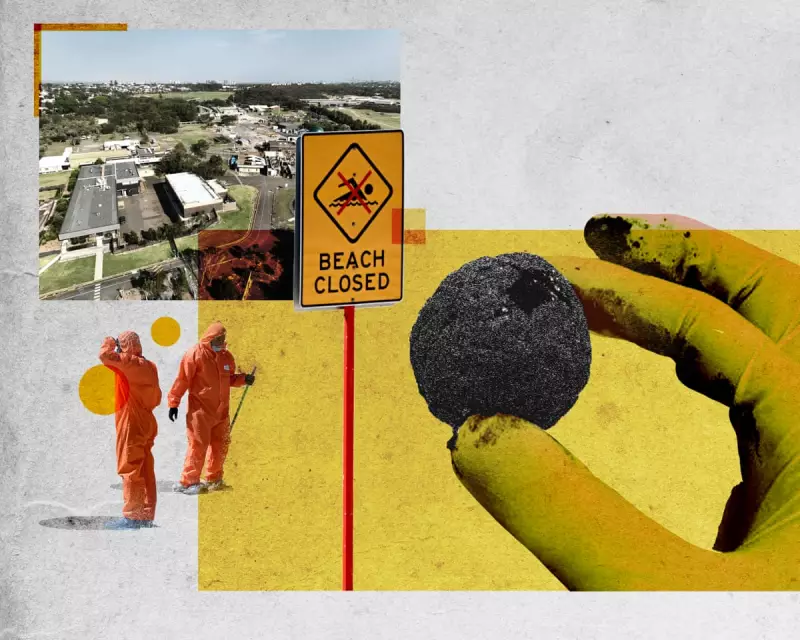
A massive fatberg, potentially as large as four Sydney buses, has been identified as the probable culprit behind the unsightly debris balls that forced the closure of the city's famous beaches last year. According to a confidential report obtained by Guardian Australia, addressing the problem could necessitate shutting down a key ocean outfall for an extended period, leading to beach closures lasting several months.
The Inaccessible 'Dead Zone' Menace
The report, prepared for the New South Wales Environment Protection Authority (EPA), pinpoints the likely source within Sydney Water's Malabar deepwater ocean outfall system. It presents a working hypothesis that fats, oils, and grease (FOG) have built up in an inaccessible dead zone near the bulkhead door, forming a significant accumulation.
This chamber, part of a system that began operating in 1990, was not designed for routine maintenance. The only way to access and clear the suspected fatberg would be to take the 2.3km offshore outfall completely offline. This would require diverting sewage to an older cliff-face discharge point, an action the report states has "never been done" and is "no longer considered an acceptable approach," primarily because it would force the closure of Sydney's beaches for a prolonged duration.

Pressure Changes Trigger Pollution Events
The secret assessment, dated 30 August 2025, links specific operational incidents to the pollution events that soiled shores in late 2024 and early 2025. It suggests that a four-minute power loss at the Malabar plant on 15 October 2024, which halted raw sewage pumping, followed by a rapid resumption of high flow, likely dislodged part of the accumulated mass, sending the first debris balls onto Coogee beach.
A similar pressure change due to wet weather on 11 January 2025 is hypothesised to have caused a second wave of pollution. The report concludes the inaccessible area is large enough to hold sufficient FOG to account for both major debris ball landings.
Rising FOG Levels and Limited Solutions
The report reveals alarming increases in contaminants entering the system. Over the past decade, FOG levels in the Malabar wastewater have risen by 39%, while volatile organic compounds from products like cleaners and cosmetics have skyrocketed by 125%. Sydney Water, which initially denied its system was responsible, has since undertaken risky clean-up operations in accessible areas, removing 53 tonnes of accumulated material in April 2025 alone.
However, options for dealing with the core problem are severely constrained. The water corporation's plans focus on:
- Continuing hazardous cleanouts of accessible sections.
- Launching public education campaigns to discourage putting FOG down drains.
- Initiating a trade waste program for food businesses, estimating 12,000 such establishments may be operating without proper waste approvals in the Malabar catchment.
Following questions from Guardian Australia, NSW Water Minister Rose Jackson announced a $3 billion investment program over the next decade aimed at reducing wastewater discharged via the Malabar outfall. This comes alongside a broader $32 billion, 15-year plan to improve Sydney's sewerage system, though ocean discharge will continue.
Environmental advocates argue this incident highlights the need for a fundamental overhaul. Jeff Angel of the Total Environment Centre stated, "The outfalls are old school technology... This should mean a higher level of treatment, but also and importantly, much more recycling." The EPA is working with Sydney Water on a removal program and expects to finalise variations to the utility's environment protection licence by mid-February.