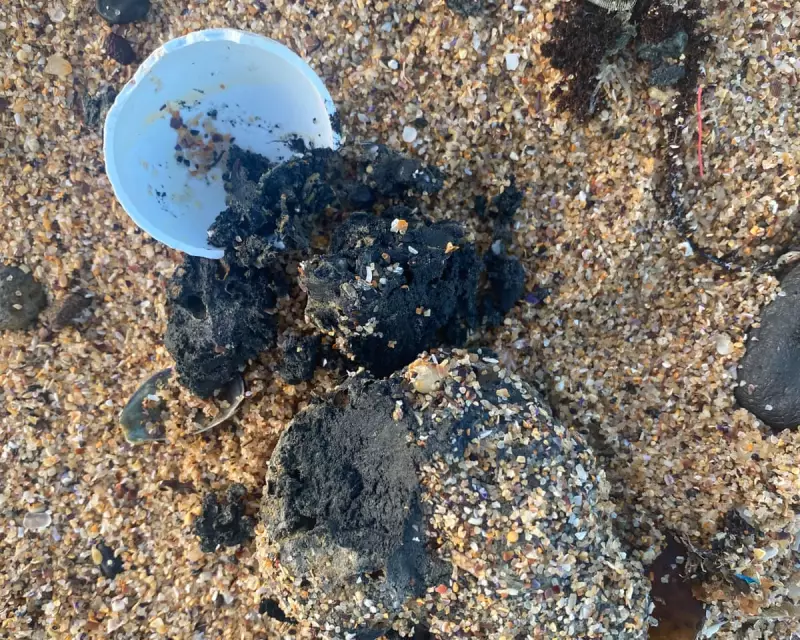
Debris balls, described as foul-smelling black and grey blobs, have washed up on Sydney's beaches following a weekend of intense rainfall, prompting cleanup operations and public warnings from Sydney Water. The objects were found at Malabar beach, adjacent to a sewage treatment facility, and also in Botany Bay, raising concerns about ongoing pollution issues in the area.
Signage and Cleanup Efforts at Affected Beaches
Sydney Water has erected signs at Malabar beach alerting visitors to the potential presence of sewage debris balls and advising against touching any debris. The signage states, "Please do not touch any debris. We are cleaning the area and apologise for any inconvenience." On Tuesday night, more than a dozen of these debris balls were observed among other beach litter, with smaller grey balls also noted. When broken open, they emitted a foul odour, indicating their sewage-related origin.
Link to Giant Fatberg and Historical Context
This incident follows a recent revelation by Guardian Australia that a massive fatberg, potentially the size of four Sydney buses, is lodged within Sydney Water's Malabar deepwater ocean sewer. A confidential Sydney Water report identified this buildup of fats, oils, and grease as the likely source of debris balls that closed beaches a year ago. The report suggests that "sloughing events" occur due to rapid changes in pumping pressure, often triggered by power outages or heavy rains, releasing these debris balls into the ocean.

Impact of Weekend Storms on Sydney
Over the weekend, Sydney experienced a severe storm that dumped over 100mm of rain within hours, leading to the inundation of the city. This heavy rainfall is believed to have contributed to the current wave of debris balls washing ashore, exacerbating the existing pollution problems linked to the city's sewage infrastructure.
Additional Pollution at Foreshore Beach
Debris has also washed up on Foreshore beach near where Mill Stream enters Botany Bay. This beach is regularly rated as one of Sydney's most polluted by Beachwatch due to its proximity to a main overflow valve for the Malabar sewage system. On Wednesday morning, the beach was littered with waxy grey lumps, some as large as half a house brick, alongside smaller balls. Two contractors for Sydney Water, wearing hi-vis gear, were seen cleaning the area, removing wet wipes and chunks of grease during their second day of operations.
Sydney Water's Sewage Management and Future Plans
Sydney Water has an agreement with Sydney Airport and the Environment Protection Authority to discharge sewage into Mill Stream until July 2027. Unlike many other cities, Sydney relies primarily on primary treatment for most of its sewage. Darren Cleary, the chief executive of Sydney Water, recently defended the use of deepwater ocean outfalls at Malabar, Bondi, and North Head, which handle 80% of the city's wastewater. He stated, "Deep ocean outfalls have been meeting environmental standards for nearly three decades," and noted that regular testing is conducted around the diffusers that release sewage 2-4km offshore.
Cleary acknowledged that the debris balls are an "unexpected event" but emphasised that Sydney beaches generally maintain very good water quality. To address these issues, Sydney Water is working on introducing higher levels of processing at inland plants to produce recycled water for industrial use, particularly for data centres that require large amounts for cooling. This initiative aims to reduce the volume of sewage passing through the ocean outfalls, which have been operational since 1990.
Ongoing Concerns and Environmental Impact
The recurrence of debris balls highlights persistent challenges in Sydney's wastewater management, especially during extreme weather events. Residents and environmental groups continue to express concerns about the risks posed to public health and marine ecosystems. As cleanup efforts proceed, authorities are monitoring the situation closely, with comments sought from Sydney Water, the Environment Protection Authority, and Randwick council regarding the latest incidents.