Sydney Water has announced a colossal $32 billion investment plan spanning the next 15 years, aimed at overhauling the city's ageing sewerage infrastructure. The primary goal is to drastically cut the volume of wastewater sent to its controversial coastal treatment plants, a move prompted by recent incidents of sewage debris washing up on the city's iconic beaches.
The Outdated System Behind the 'Poo Balls'
For decades, Sydney has relied on an antiquated method for handling the 1.5 billion litres of sewage it produces daily. Unlike most major global cities, Sydney employs a 'fast primary treatment' process at its Malabar, Bondi, and North Head plants. This involves simply allowing solids to settle in tanks before pumping the remaining effluent 2 to 4 kilometres out to sea via deepwater ocean outfalls (DOOFs), where it is diluted by ocean currents.
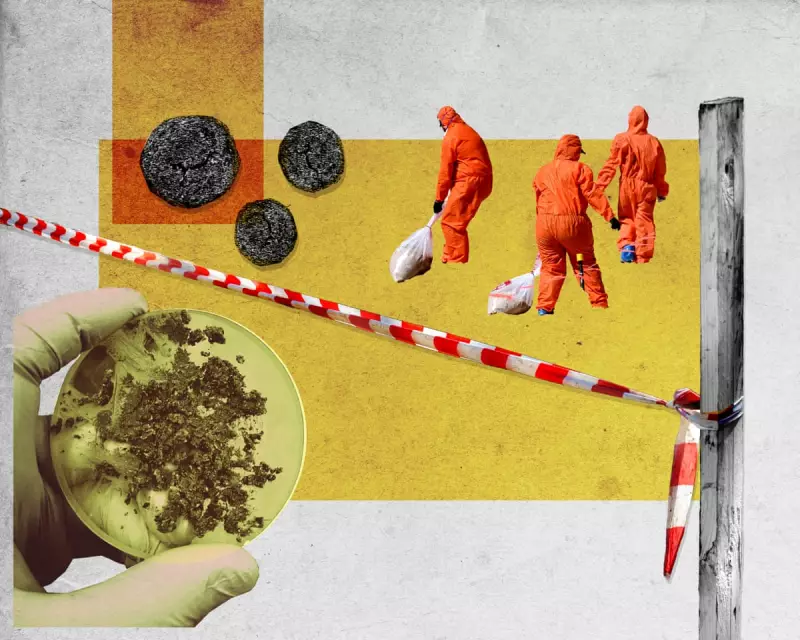
This approach, rooted in the outdated 'dilution is the solution to pollution' mantra, is now showing critical flaws. As revealed by investigations, a massive, irremovable fatberg—a congealed mass of fats, oils, and grease—within the Malabar plant is the likely source of the so-called 'debris balls' or 'poo balls' that sullied beaches like Coogee in late 2024 and 2025.

Professor Stuart Khan, chair of the New South Wales government's independent water advisory panel, explains that primary treatment is a basic physical process. "Secondary treatment, used widely elsewhere, involves biological processes to break down organic material," he says, highlighting Sydney's outlier status.
A Historical Legacy of Cost-Cutting and Pollution
Sydney's sewage troubles have deep roots. In the late 19th century, waste was dumped directly into the harbour. By the mid-20th century, primary treatment plants were built, but pollution was rampant—'Bondi cigars' (floating turds) were a notorious sight, and ear infections among swimmers were common.
When upgrades were considered in the 1980s, authorities chose the cheaper option: building the deepwater outfalls rather than implementing secondary treatment. Environmental campaigner Richard Gosden, part of the 'STOP' campaign at the time, argues the city's system was unusual even then due to the high-speed, inefficient nature of its primary treatment.
Darren Cleary, Managing Director of Sydney Water, defends the ocean outfalls' overall performance, citing decades of monitoring that show "no negative environmental impacts" and generally excellent beach water quality. However, he acknowledges the debris balls were "surprising" and are under investigation.
The $32bn Path Forward: Recycling and Inland Treatment
The core of the new 15-year strategy is to treat more wastewater inland before it ever reaches the coastal plants. Expanding secondary treatment at the constrained, expensive coastal sites like Bondi is deemed impractical. Instead, the plan focuses on:
- Building new facilities from Arncliffe to Quakers Hill.
- Upgrading treatment plants at Glenfield and Liverpool to produce more recycled water for industrial use, such as cooling datacentres.
- Enhancing the Fairfield plant to remove more solids.
"The key is more treatment plants in the city's west," says Professor Khan, "so we don't wait for the sewage to run all the way... from Liverpool down to Malabar." Jeff Angel of the Total Environment Centre adds that modernisation must mean "a higher level of treatment, but also and importantly, much more recycling."
Global Contrast: How Other Cities Lead
Sydney's approach stands in stark contrast to other global cities. In the United States, the Clean Water Act mandates at least secondary treatment. Singapore's massive investment in a 'deep sewer tunnel' network and advanced reclamation plants now supplies 40% of the nation's water.
Closer to home, Australian peers are also ahead. Perth's Groundwater Replenishment Scheme treats wastewater to exceed drinking standards before recharging aquifers. Melbourne uses secondary treatment and has significantly expanded water recycling for irrigation and industry.

"Sydney's definitely out of step with the other [Australian] cities," concludes Professor Khan. The $32 billion commitment marks a long-overdue attempt to close that gap, move beyond a reliance on ocean dilution, and secure a sustainable, clean-water future for Australia's largest city.