The festive season, for all its cheer, often leaves British households drowning in a sea of discarded wrapping paper, packaging, and unwanted items. The post-Christmas period can feel overwhelming, with bins overflowing and homes cluttered. However, this annual deluge of waste doesn't have to be a burden on the environment or your sanity.
Inspired by a desire to move beyond the consumerism highlighted in tales like How the Grinch Stole Christmas, there are numerous practical and creative strategies to manage the aftermath. The key is moving from a mindset of disposal to one of repurposing and responsible recycling. Here are five effective approaches to handle your holiday leftovers, from the living room to the kitchen.
Creative Reuse for Cards and Wrapping
Before you consign that pile of festive cards and crumpled paper to the recycling bin, consider giving them a second act. Well-meaning cards from relatives can be transformed into unique gift tags for future birthdays or next Christmas. Simply cut out attractive illustrations or patterns, punch a hole, and add some string.

For the craft-inclined, social media platforms like Instagram and TikTok are treasure troves of ideas. Scraps of holiday wrapping paper can be carefully curated and used to create beautiful, customised wrap for smaller gifts throughout the year, adding a personal touch while saving money and resources.
Organise Your Home with Leftover Packaging
The post-holiday period often sparks a decluttering urge. Surprisingly, the very boxes that housed your gifts can aid your new year organisation drive. Small, sturdy boxes from electronics, like iPhones, make perfect drawer organisers for stationery, cosmetics, or cables.
Larger cardboard boxes can be repurposed for seasonal clothing storage. Labelling a box for winter woollens or summer linens is an efficient way to free up wardrobe space and keep your belongings in good condition, turning a waste problem into an organisational solution.
Responsible Disposal of Problem Materials
Certain common holiday materials, such as plastic film, bubble wrap, and glitter-covered paper, pose a significant recycling challenge. These items typically cannot go into your standard council kerbside recycling bin as they can contaminate whole batches of material.
Instead of wishful thinking—or 'wishcycling'—which experts warn can do more harm than good, take proactive steps. Many large supermarkets and big-box stores have collection points for plastic bags and film. Always check packaging for specific recycling instructions and consult trusted UK online resources to confirm what your local authority accepts.
The Second Life of Your Christmas Tree
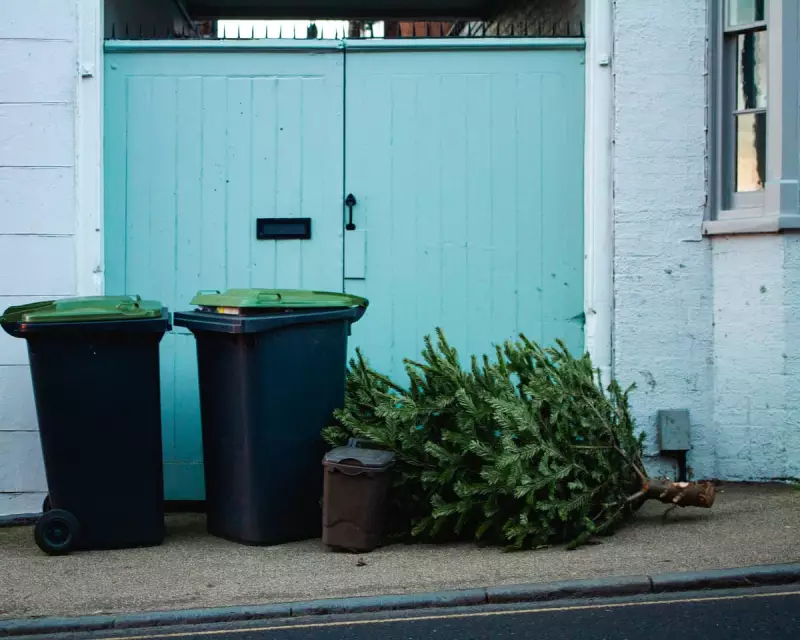
For those with a real Christmas tree, disposal is a key January task. Beyond council collection schemes, 'treecycling'—where trees are chipped into mulch for community parks—is a growing and excellent eco-friendly option. Search for local treecycling services or council drop-off points.
For the truly adventurous, a past Guardian report highlighted a more unconventional idea: eating it. Young pine needles from non-treated trees can be used to infuse flavour into seasonings, pickling brines, or even spruce ice cream, offering a remarkably sustainable finale for your festive centrepiece.
Managing the Festive Feast Leftovers
Food waste is a major concern after large holiday meals. Culinary writer Emily Farris advises transferring leftovers into smaller, manageable containers to encourage consumption and simplify storage. Using clear glass containers with silicone vents can make reheating easier and help you keep track of what needs eating first.
This method not only reduces waste but also grants weary hosts a welcome break from cooking. The goal is to enjoy the fruits of your labour for days to come, without anything spoiling forgotten at the back of the fridge.
By adopting these mindful practices, UK households can significantly reduce their environmental impact after the festivities. The transition into the new year becomes an opportunity for positive change, turning holiday excess into a lesson in sustainability and organised living.