A binman has issued a clear warning to households across the UK: placing one common snack item in your recycling bin could lead to the entire container being left unemptied. The viral waste expert, known online as The No1 Binman, highlighted a frequent mistake that contaminates recycling loads and risks leaving rubbish lingering outside homes.
The Common Recycling Mistake You're Probably Making
In a recent social media video, the binman specifically identified crisp packets as the culprit. He explained that these packets, along with other soft plastics like carrier bags, bubble wrap, and film, do not belong in your standard household recycling bin. "You're meant to take them to the supermarket and recycle them there, because it's a different type of plastic," he stated.
The core issue is the material. Crisp packets are typically made from a mixed metallised plastic film, which standard council recycling facilities cannot easily process or separate. This differs from the pure plastics, tins, and bottles that these plants are designed to handle. The binman further noted that items like polystyrene and certain plastics are problematic because "it takes up too much room and it costs too much money to recycle because there's barely any plastic in it. It's mainly air."

Why Bins Get Rejected and What Happens Next
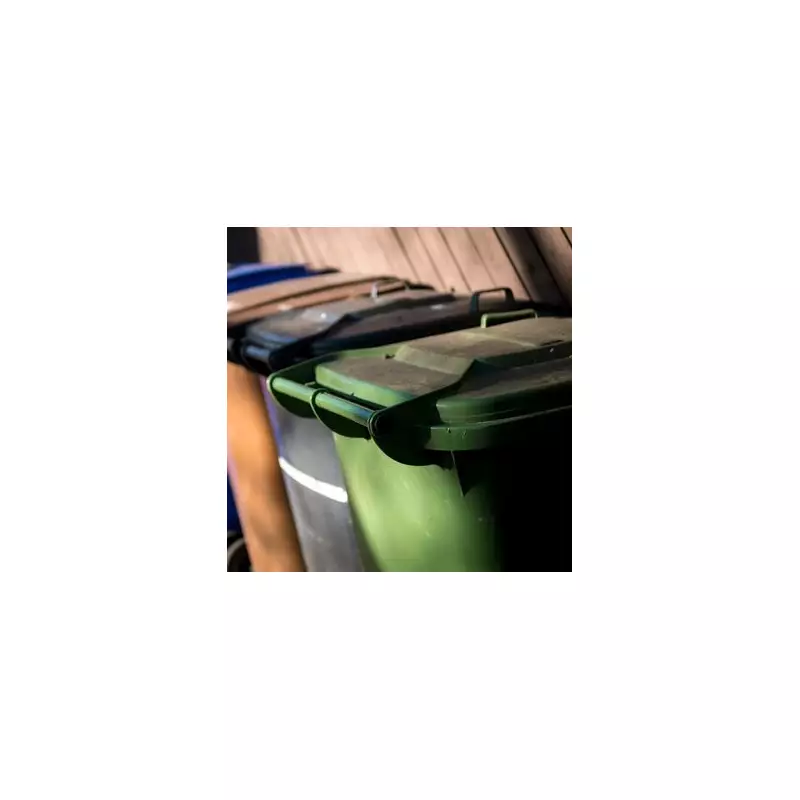
Bin crews are authorised to reject contaminated recycling bins and leave them behind. Contamination occurs when non-recyclable items are mixed with recyclables, which can ruin entire truckloads of otherwise good material and even damage expensive sorting machinery at processing plants.
Other reasons for rejection include bins that are too heavy, overfilled with the lid open, or accompanied by 'side waste' like extra bags placed beside the bin. If your bin is not collected, the council will often attach a sticker explaining the reason. The responsibility then falls on the householder to remove the offending items before the next scheduled collection.
How to Recycle Crisp Packets Correctly
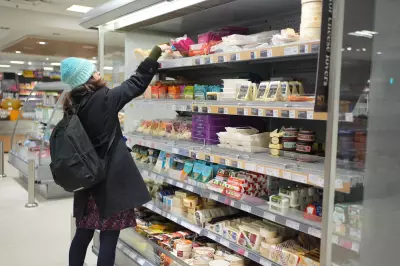
Fortunately, there are responsible disposal routes for crisp packets and soft plastics. The binman advised taking them either to a local household waste recycling centre (the tip) or to designated supermarket drop-off points. Many major supermarkets now have collection bins for soft plastics, where items like crisp packets, bread bags, and plastic film are gathered separately.
Specialised nationwide collection schemes, such as those operated by TerraCycle, also offer recycling solutions for these harder-to-process materials. Checking your local council's specific guidelines online remains the best way to ensure you are following the correct rules for your area and keeping your recycling stream clean.
The key takeaway is simple: to ensure your recycling is collected and actually processed, keep crisp packets and soft plastics out of your kerbside bin. A small change in habit can prevent waste pile-ups and support more efficient recycling systems.