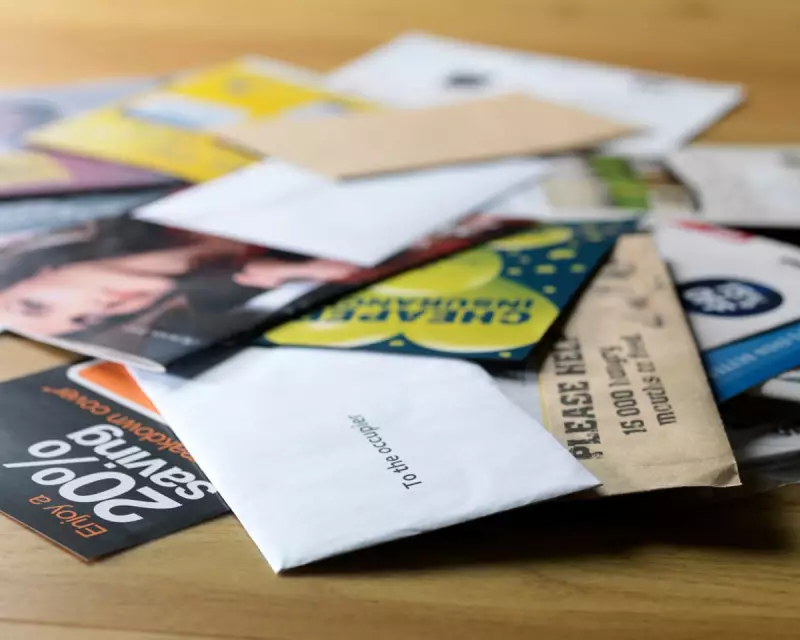
In an era dominated by digital communication, the continued deluge of unsolicited paper advertising through letterboxes is facing renewed and fierce criticism. Campaigners and residents alike are highlighting the profound environmental impact and financial waste of a practice many consider obsolete.
The Staggering Environmental Toll
Critics argue that the environmental cost of printing and distributing vast quantities of paper marketing material is now obscene. Daniel Owen from Torrington, Devon, encapsulated this view in a letter to The Guardian, stating that this factor alone should have ended the practice years ago. He points to the stark reality that an estimated 99% of such material is destined for the recycling bin, completely unread.
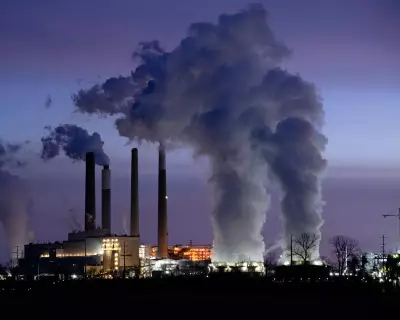
This process consumes resources at every stage: from the sourcing of paper pulp and the energy-intensive printing, to the fossil fuels burned for nationwide distribution. The carbon footprint is substantial, yet the intended audience largely ignores the content, rendering the entire exercise a significant net negative for the planet.

Charity Appeals Under Scrutiny
The debate extends beyond commercial advertising to include charitable organisations. Marlene McAndrew from London raised a pointed question about the efficiency of repeated mailings from charities like Crisis. She reported receiving ten separate mailings during just October and November for their Christmas appeal.
This strategy prompts serious questions about resource allocation. What proportion of a charity's precious income is consumed by designing, printing, and posting these appeals? Furthermore, there is scepticism about the return on investment, with donors questioning whether bombarding the same individuals leads to repeated donations or simply fosters resentment and waste.
A Call for Demise and Reform
The core argument from critics is not just about inconvenience but systemic waste. Daniel Owen expressed a willingness to accept the decline of personal letter-writing if it meant the parallel abolition of all forms of postal marketing. The sentiment is clear: in a connected online age, this analogue form of outreach is an anachronism whose costs far outweigh its diminishing benefits.
The persistence of junk mail and blanket charity mail-outs highlights a disconnect between modern consumer behaviour and traditional marketing tactics. As environmental concerns move to the forefront of public policy and personal choice, the pressure on industries and charities to justify such tangible waste will only intensify.