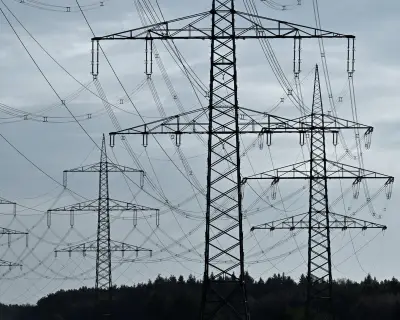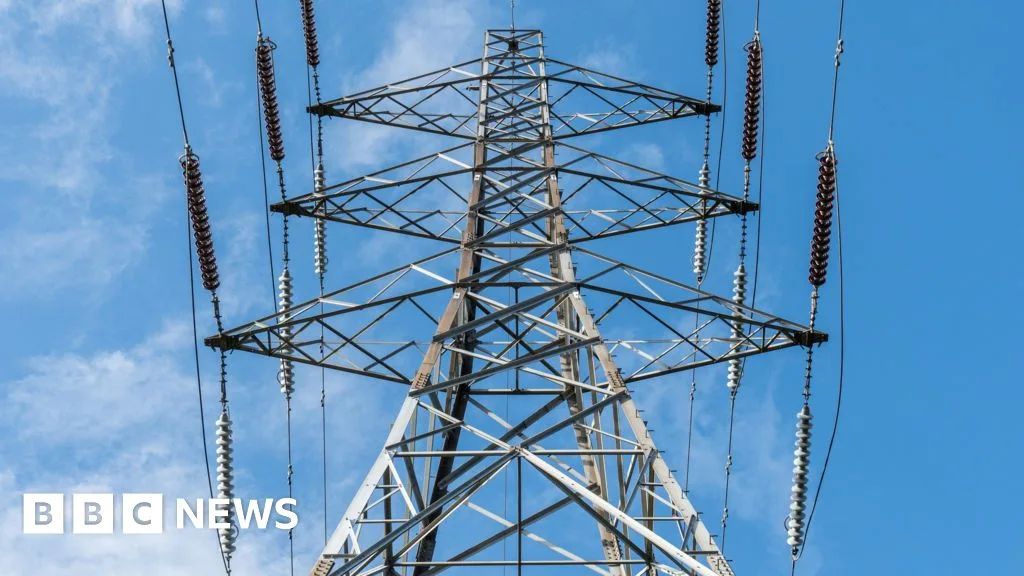
Plans to carve a 100-mile corridor of colossal electricity pylons through some of Scotland's most cherished scenic landscapes are facing fierce opposition as environmental experts reveal the project could trigger a devastating 54% loss in biodiversity.
The Great Scottish Landscape Divide
The proposed network of what campaigners are calling 'monster pylons' would stretch across vast swathes of pristine Scottish countryside, creating a permanent scar on some of the nation's most photographed vistas. The infrastructure project, designed to transport renewable energy from remote generation sites to population centres, is now at the centre of an environmental controversy that pits green energy ambitions against conservation priorities.
Environmental Impact Assessment Reveals Stark Reality
Detailed environmental assessments conducted by ecological consultants have uncovered alarming projections. The construction and permanent presence of these massive structures could reduce local biodiversity by more than half, affecting everything from ground-nesting birds to ancient woodland ecosystems.
Key concerns identified by experts include:
- Fragmentation of crucial wildlife habitats and migration corridors
- Disturbance to protected species including birds of prey and rare mammals
- Permanent alteration of landscape character in designated scenic areas
- Soil erosion and watercourse contamination during construction
- Long-term impact on tourism-dependent local economies
Community Outcry and Conservationist Concerns
Local communities living in the shadow of the proposed route have expressed outrage at what they describe as 'industrialisation of the countryside'. Conservation groups have joined the chorus of disapproval, warning that the biodiversity loss could be irreversible.
"We're facing a classic green versus green dilemma," explained one environmental campaigner. "While we desperately need to transition to renewable energy, we cannot achieve this by destroying the very ecosystems we're trying to protect. There has to be a better way."
The Search for Compromise Solutions
Energy companies behind the project argue that the pylons are essential for connecting Scotland's abundant renewable resources to the national grid. However, opponents are demanding that alternative solutions be properly explored, including:
- Underground cabling in the most sensitive environmental areas
- Re-routing along less damaging corridors
- Investment in local energy storage to reduce transmission needs
- More sophisticated environmental mitigation measures
The debate continues as planning authorities weigh the nation's energy needs against the protection of Scotland's natural heritage, with the outcome likely to set important precedents for future infrastructure projects across the UK.