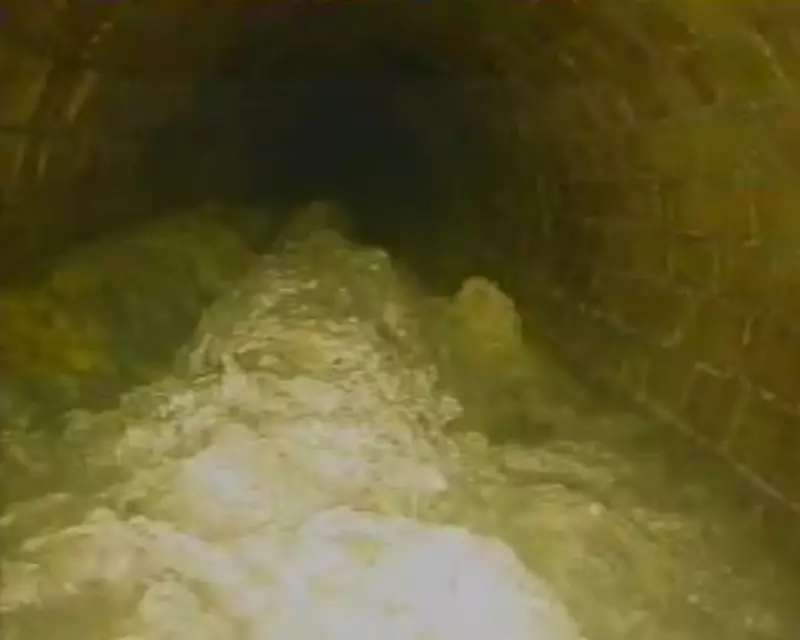
A monstrous mass of congealed waste, dubbed a 'fatberg' and weighing an estimated 100 tonnes, has been discovered clogging the sewers beneath east London. Thames Water officials confirmed the blockage, which stretches for about 100 metres in the Whitechapel area, is prompting urgent warnings to households over the festive period.
A Festive Warning from the Depths
The water company has issued a stark reminder for people to be mindful of what they dispose of down sinks and toilets during December and January. Thames Water reports a seasonal spike in blockages, with clearance costs soaring to £2.1 million over these months. The newly discovered fatberg, a solid mass of fats, oils, grease, and non-flushable items like wipes, is a direct result of such improper disposal.
Tim Davies, Thames Water's head of waste operations for north London, emphasised the scale of the problem. "This latest fatberg shows exactly what happens when fats, oils and wipes go down our drains – they don't disappear, they build up and cause serious damage," he stated. The clearance and repair of such blockages costs tens of millions of pounds annually, a bill ultimately funded by customers.

The Hefty Legacy of London's Fatbergs
This subterranean behemoth, weighing roughly a third more than a British Army Challenger 2 tank, has been described as the 'grandchild' of an even larger predecessor. In 2017, a 130-tonne, 250-metre-long fatberg was unearthed in Whitechapel, becoming one of the most infamous discoveries of its kind. That specimen was so notable that a segment was put on display at the Museum of London after teams spent weeks breaking it apart.
Reflecting on the 2017 cleanup, Matt Rimmer, then head of waste networks at Thames Water, compared the task to breaking up concrete. "It's frustrating as these situations are totally avoidable," he said, highlighting the common culprits: "fat, oil and grease being washed down sinks and wipes flushed down the loo."
How to Prevent Sewer Chaos This Christmas
To combat the rise in festive blockages, Thames Water is advising simple changes in household habits. The company urges the public to:
- Scrape leftover food scraps from plates and pans into the bin before washing.
- Fit sink plugholes with a strainer to catch solids.
- Avoid pouring liquid fats like gravy, cooking oil, or cream down the sink.
- Only flush the three Ps: pee, poo, and (toilet) paper. All wipes, even those labelled 'flushable', belong in the bin.
The discovery of this 100-tonne fatberg serves as a grim reminder that actions in our kitchens and bathrooms have direct and costly consequences deep beneath the city's streets. With the Christmas period typically seeing increased cooking and hosting, Thames Water's message is clear: what goes down, does not always disappear.