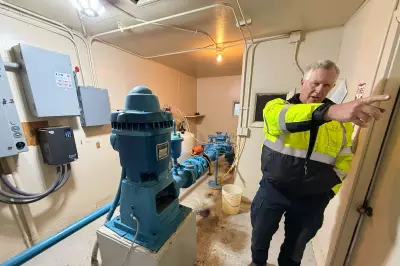
A severe water infrastructure failure has plunged a large portion of the Texan border city of El Paso into crisis, with officials confirming that more than 100,000 residents have been left with little to no running water.
Unprecedented Infrastructure Failure
The crisis began late on Saturday night when a critical 36-inch water main line ruptured. Gilbert Trejo, an official with El Paso Water, described the incident as "an event of unprecedented proportion" for the city of approximately 700,000 people. Trejo explained that the impact was exacerbated by the specific design of the pipeline and the configuration of the smaller connection lines attached to it.
The break led to the rapid draining of more than 15 water reservoirs, severely depleting the system's supply. In total, around 38,000 customer connections were knocked out of service, directly affecting the lives of well over 100,000 people. The cause of the catastrophic failure remains under investigation.

Emergency Response and Widespread Disruption
In response to the public health emergency, authorities immediately issued a boil water notice for affected areas. Multiple water distribution centres were swiftly established to provide residents with essential supplies while repairs are underway.
The disruption has extended into the education sector, forcing the cancellation of classes on Monday at more than a dozen schools within the El Paso Independent School District. Other schools in the vicinity remained open but were obliged to operate under the strict boil water advisory.
Long Road to Recovery
Officials have warned residents that patience will be required, estimating that normal water operations may not resume until midweek. Repair crews are working diligently, but the scale of the damage and the complexity of the system mean a full restoration will be a multi-day process.
This incident highlights the vulnerability of critical urban infrastructure and the profound impact its failure can have on daily life, from public health to education and basic sanitation.