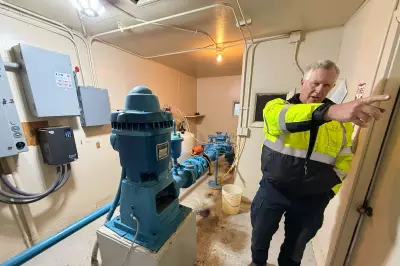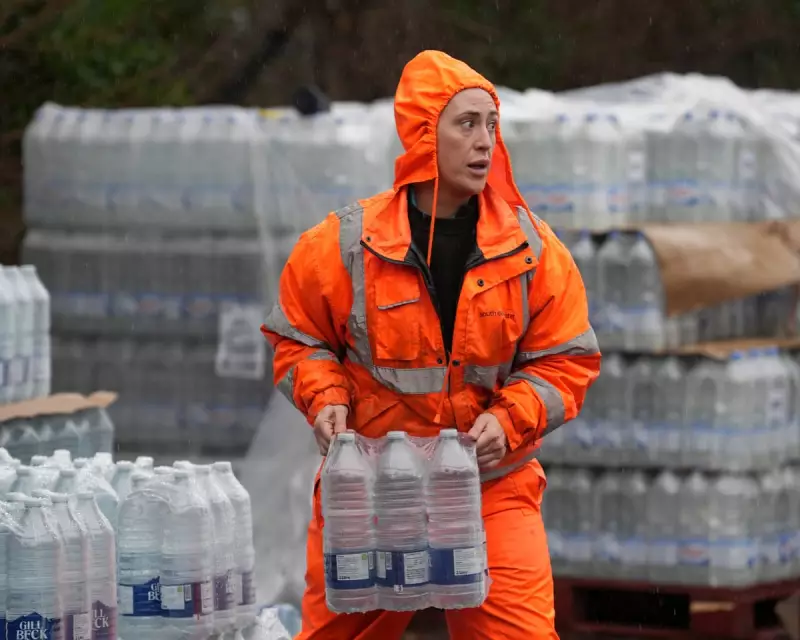
The water supplier for parts of Kent and Sussex is facing the potential loss of its operating licence following a series of severe supply failures that left tens of thousands of households without water.
Regulatory Scrutiny and Potential Penalties
Environment Secretary Emma Reynolds has formally requested that the water regulator, Ofwat, conduct a review of South East Water's operating licence. This move comes after residents endured up to a week with low or no water pressure, marking the second major outage in recent months.
If Ofwat decides to revoke the licence, the company would be placed into a special administration regime until a new operator could be found. Alternative penalties include a substantial fine of up to 10% of the company's annual turnover if the licence is found to be breached but not withdrawn.

An Ofwat spokesperson confirmed an active investigation is already underway into the company's supply resilience. "We are concerned that residents in Kent and Sussex are without water again," the spokesperson said, adding that the regulator would review all evidence before deciding on further enforcement action.
Communities Endure Repeated Disruptions
This week, approximately 30,000 properties were affected by low or no water, with an estimated 17,000 still facing issues. The town of Tunbridge Wells has been particularly hard hit, suffering its second major outage in as many months. Just before Christmas, 24,000 households in the area were without water for two weeks.
Local Liberal Democrat MP for Tunbridge Wells, Mike Martin, expressed scepticism about the company's restoration promises. "I don't expect the water situation to get better before the weekend at least," he stated. He emphasised that the company was failing to meet the key requirement of its licence: to provide a "plentiful wholesome supply of water."
South East Water has attributed the crises to bad weather causing leaks in its ageing pipe network. The company stated its repair teams were working "around the clock" and that it was doing "everything" possible to support customers. Some residents in East Grinstead were told supplies would return by Thursday morning, while those in Tunbridge Wells were given a Friday estimate.
Leadership Under Fire and Shareholder Concern
The company's Chief Executive, David Hinton, has faced intense cross-party pressure to resign, notably for his absence from public view during both crises. Hinton, who receives a base salary of £400,000 and was awarded a £115,000 bonus last year, recently told a parliamentary committee he gave himself an eight out of ten for handling water shortages.
He defended his decision not to conduct media interviews during the last outage, arguing that questions would focus on his remuneration and become a distraction. The company has stated Hinton "remains committed" to resolving the immediate issues and securing investment for network resilience.
Adding to the company's woes, a major shareholder has issued a rare public warning. The NatWest Group Pension Fund, which owns a 25% stake, said it was "extremely concerned" by the impact on households and vowed to use its influence to pressure the board.
These incidents occur against a backdrop of widespread criticism of England's privatised water industry, fuelled by the ongoing sewage scandal and concerns over financial resilience and accountability. While no water company has yet been renationalised due to sewage dumping, the performance of firms like South East Water continues to ignite debate over the sector's privatised model.