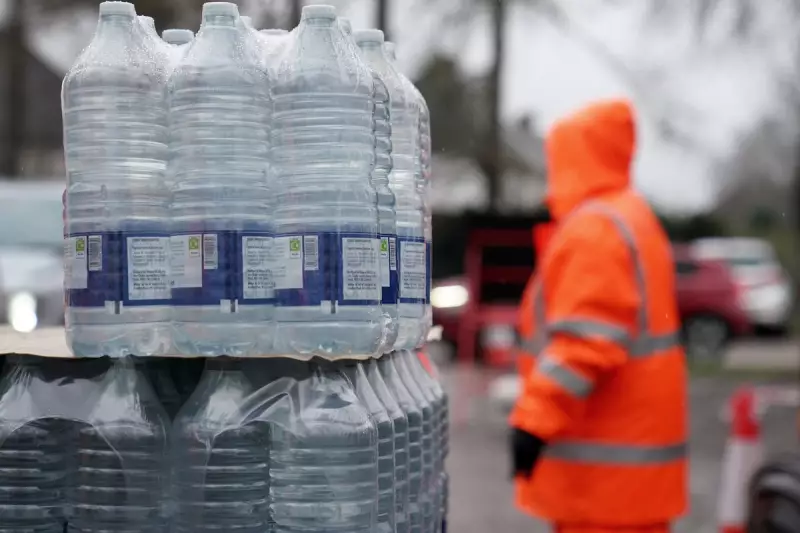
The water industry regulator has launched a formal investigation that could see South East Water stripped of its operating licence, as tens of thousands of homes and businesses in the South East endure a sixth consecutive day without reliable drinking water.
Regulatory Scrutiny and Mounting Political Pressure
Ofwat, the water services regulation authority, confirmed the probe on Thursday, 15 January 2026. The investigation will centre on whether South East Water (SEW) breached its licence conditions by failing to meet fundamental customer service obligations during the ongoing crisis. The move follows intense political pressure, with the Tunbridge Wells MP publicly demanding the resignation of SEW chief executive David Hinton.
The company has attributed the widespread outage, which has forced school closures and left residents grappling with contradictory information, to a combination of burst pipes and power failures triggered by Storm Goretti. However, this explanation has been met with profound scepticism from local MPs and residents, given the company's recent history.

A Pattern of Failure and Parliamentary Recall
This incident is not an isolated event. It comes on the heels of sustained water supply failures in November and December last year, which left approximately 24,000 properties across Kent and Sussex without safe drinking water for nearly two weeks. The repeated failures have shattered consumer confidence and drawn the ire of policymakers.
The Parliamentary Environment, Food and Rural Affairs Committee is taking direct action, recalling both SEW's chief executive, David Hinton, and the company chairman for further intense scrutiny. MPs have labelled the company's handling of the situation a "shambles" and are questioning the fundamental resilience of its infrastructure and crisis management plans.
Uncertain Resolution for Affected Communities
With Ofwat's review now underway, the future of South East Water's licence hangs in the balance. The regulator has the power to impose significant fines or, in the most severe case, revoke the licence entirely—a rare and drastic step. For the 30,000 affected properties in Kent and Sussex, the immediate concern remains the restoration of a stable water supply, with fears that disruptions could persist for several more days.
The situation highlights broader concerns about the performance of water utilities during extreme weather events and their accountability to the customers they serve. The outcome of Ofwat's investigation will be closely watched by consumers, politicians, and the wider utilities sector.