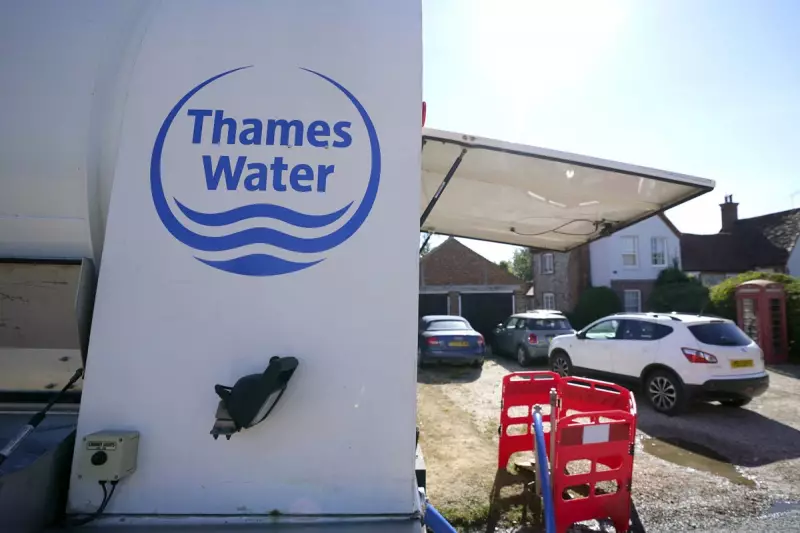
Environment Secretary Steve Reed has sounded the alarm over the precarious state of Thames Water, declaring that the utility giant could face collapse without significant government intervention. The warning comes as the company struggles with mounting debts and operational challenges that threaten water supplies for millions across southern England.
A Looming Crisis for Millions
Speaking to reporters, Reed revealed that Thames Water's financial position has deteriorated to such an extent that emergency measures may be required to safeguard water services for its 15 million customers. "The situation is serious," Reed stated. "We cannot allow a vital public utility to fail."
Roots of the Problem
The crisis stems from years of financial mismanagement and underinvestment in infrastructure, leaving Thames Water with:

- £15 billion in debt
- Aging pipe networks prone to leaks
- Growing regulatory scrutiny over sewage discharges
Analysts warn that without immediate action, customers could face:
- Significant bill increases
- Service disruptions
- Potential temporary nationalization
Government's Rescue Plan
While stopping short of announcing specific measures, Reed indicated the government is preparing contingency plans that could include:
- Special administration procedures
- Tighter regulatory oversight
- Financial restructuring
The Environment Secretary emphasized that protecting consumers remains the top priority, but warned that difficult decisions may lie ahead for both Thames Water and its customers.
Industry-Wide Implications
This crisis has reignited debates about privatization in the water sector, with critics arguing the Thames Water situation exposes fundamental flaws in the current model. The government faces mounting pressure to implement broader reforms across the industry to prevent similar situations developing elsewhere.