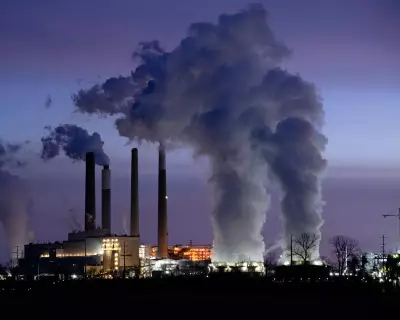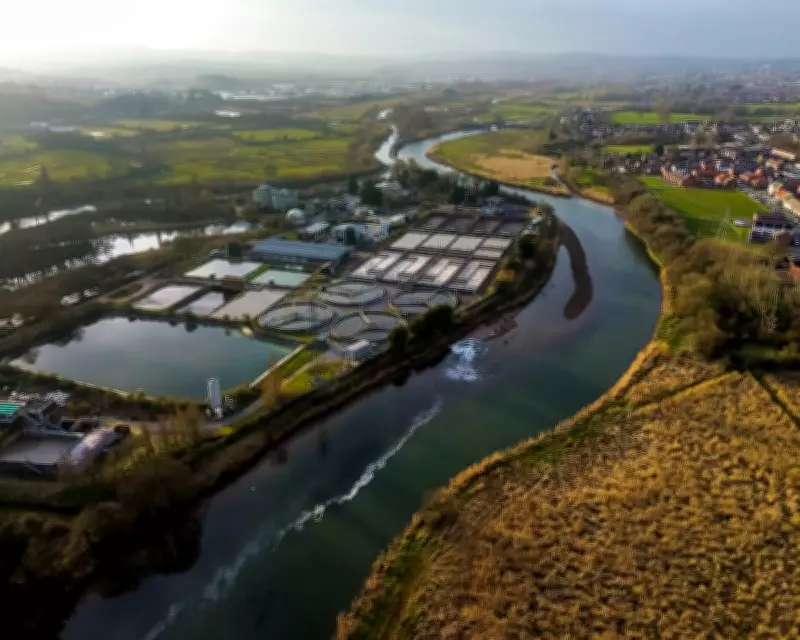
Campaigners have launched a scathing critique, asserting that ordinary bill payers are being compelled to shoulder the financial burden for what they describe as decades of systemic failure within the water industry. This outcry comes as households across England and Wales prepare for another significant hike in their water charges.
Households in England and Wales Confront Further Water Bill Increases
Residents in England and Wales are set to spend considerably more on their water services, with average bills scheduled to rise once again this spring. The increase, approved amidst ongoing public fury over persistent sewage discharges into the nation's waterways, will see the typical annual water bill climb by an average of £33 per household starting in April.
Regulator Approves Record Spending as Bills Jump 5.4%
According to the latest figures released by Water UK, the industry's representative body, the average annual water bill will increase by 5.4% from the 1st of April. This adjustment will push the typical yearly charge to £639, marking a continuation of above-inflation rises intended to fund critical repairs to leaking infrastructure and upgrades to sewage treatment facilities.

The water regulator, Ofwat, has granted companies permission to charge customers a staggering £104 billion between 2025 and 2030 to finance essential maintenance and improvements. This follows a substantial £123 increase in annual water bills last year, which initiated the current five-year investment period. Notably, this year's 5.4% rise stands two percentage points above the inflation rate recorded in December.
Regional Variations and Customer Outrage
The impact of these increases will vary significantly across different regions. Southern Water customers in southern England are projected to face the highest average bill, reaching as much as £759 annually. Meanwhile, customers of United Utilities in the north-west of England will see the largest increase in their average annual bills, with a jump of £57.
In contrast, Thames Water, the troubled supplier for London and the Thames Valley, will implement the smallest average increase among combined water and sewerage companies, adding just £3 to bills. This is largely because the company front-loaded most of its permitted five-year increase last year. It is important to note that individual household bills are ultimately determined by specific water usage and the size of the property.
Customer dissatisfaction is mounting rapidly, with complaints about water bills surging by 50% in England and Wales. The Consumer Council for Water (CCW) reports that grievances concerning the affordability of water bills have nearly tripled over the past year alone.
Campaigners Condemn Bill Hikes and Legal Challenges Emerge
Environmental campaigners have strongly criticised the latest round of bill increases. River Action, a prominent campaign group, is taking the government to court, arguing that the regulatory approval for these hikes was not granted through proper legal channels.
James Wallace, the Chief Executive of River Action, stated that claims of record investment essentially mean that bill payers, rather than the water companies themselves, are being forced to pick up the tab for decades of corporate and regulatory failure. This sentiment echoes widespread public frustration over the state of the nation's water infrastructure and environmental performance.
Industry Response and Support Measures
David Henderson, the Chief Executive of Water UK, acknowledged the difficulty these increases pose for many households. He emphasised that the additional funds are necessary to finance vital upgrades that will secure water supplies, support economic growth, and ultimately end the discharge of sewage into rivers and seas.
Water UK has highlighted that approximately 2.5 million households will benefit from social tariffs, receiving discounts of up to 40% on their bills. However, the Consumer Council for Water has warned that poorer households face a concerning "postcode lottery" due to inconsistent support policies across different water companies.

Mike Keil, Chief Executive of the CCW, expressed deep concern, noting that further bill rises will only compound existing financial worries. He stressed that while people generally support investment in improving services, they are growing impatient for tangible change and require compelling evidence that their money is being spent effectively. Keil called for a stronger financial safety net, describing the current patchwork of social tariffs as unfair and unsustainable in the face of rising costs.
It is worth noting that water provision operates under a different model in other parts of the United Kingdom, with services in Scotland and Northern Ireland being provided by government-owned companies.