Residents across Kent and parts of Sussex are facing a severe and repeated water crisis, with more than 30,000 homes spending up to six days without a reliable supply from their taps. The disruption, described by locals as "pretty grim," marks the second major outage in a matter of weeks, forcing schools and businesses to close and leaving families reliant on bottled water.
A Repeated Crisis for Frustrated Communities
For the people of Tunbridge Wells, the situation feels like a cruel joke. As rain pours down, the high street is sodden, yet their taps have run dry once again. This latest incident follows a two-week outage in late November that affected 24,000 households, which the Drinking Water Inspectorate later said was foreseen due to a lack of maintenance at a local treatment centre.
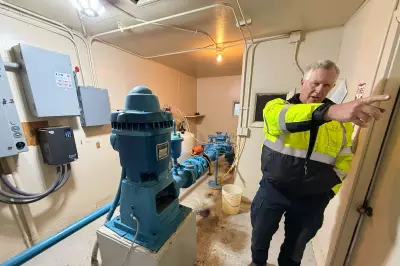
Now, South East Water is blaming recent freezing weather for a surge of leaks in its ageing pipe network. The company states its drinking water storage tanks are running critically low, and it has not received its usual bulk supply from a neighbouring utility. With no clear restoration timeline, the community is struggling.

Daily Life Grinds to a Halt
The human impact of the outage is severe and widespread. Schools have been forced to shut, and businesses, particularly in the hospitality sector, are suffering. The Bull pub in the Forest Road area, which says its future is on "thin ice," has closed its doors for a second time, a sign on its door blaming the lack of water.
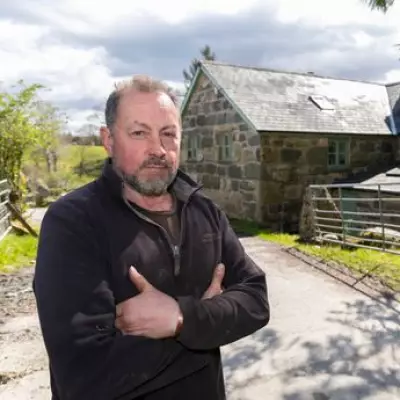
Residents describe a difficult and unhygienic daily routine. "We can’t wash up, every day we have to decide what to cook based on how much water we have," said Gary, who has faced intermittent supply for a week. He and his wife have been showering at a local gym, and he admitted, "without being too disgusting, our toilet is currently full."
Kama Bass, 53, told of the stress of organising showers at a friend's house and her dismay at the volume of plastic waste from bottled water. "I don’t know how families are coping – the amount of bottled water you need to cook and to wash up and to keep the children hygienic. It’s horrific," she said.
The crisis hits vulnerable residents hardest. Local Liberal Democrat MP Mike Martin, who rushed back to the constituency, reported receiving "terrible stories" from elderly people, those who are ill, and families with young children. "It’s a real disaster not having water," he stated.
Leadership Under Fire as Infrastructure Fails
Public anger is increasingly directed at South East Water's leadership. Chief Executive Dave Hinton, who has a base salary of £400,000 and received a £115,000 bonus last year, has been largely absent from media coverage during both crises. He recently told a parliamentary committee he avoids interviews because questions focus on his pay, which he sees as a distraction.
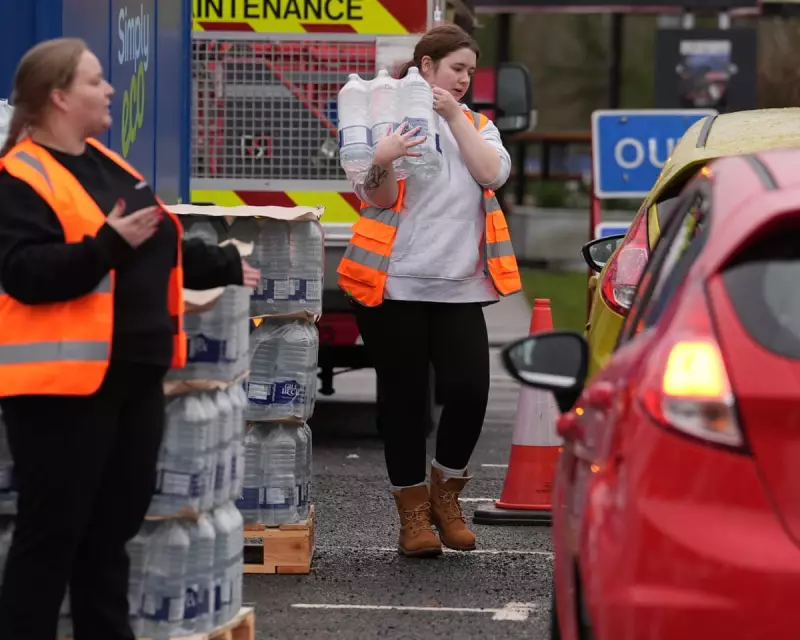
This stance has not gone down well with affected residents. "It’s costing businesses fortunes worth of money, and he’s not really that apologetic about it, and he’s got quite a big bonus. He should be handing that back," said Scott Richardson, collecting water bottles after three days without supply.
Mike Keil, chief executive of the Consumer Council for Water, said the repeated failures show how unprepared the company is for extreme weather linked to climate breakdown. "If a company cannot deal with today’s weather, they are going to really struggle in the future," he warned, calling for urgent infrastructure investment.
Despite the criticism, South East Water says its repair teams are working "around the clock" and that it is doing "everything it can" to support customers. The company has also disputed the regulator's findings on the November outage and announced an internal investigation, with results due in April.
For now, residents continue to queue at distribution centres, like the one at the local rugby club, their patience wearing thin as they wait for a basic service to be restored.