Water supplies have finally been restored to the vast majority of homes across Kent and Sussex, bringing an end to almost a week of severe disruption that left tens of thousands of residents without a reliable supply.
A Major Incident Declared
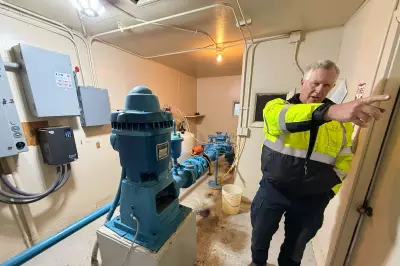
The crisis, which prompted the declaration of a major incident, peaked with 30,000 customers experiencing water shortages across the South East. The problems began after Storm Goretti swept through the region, causing significant damage to infrastructure. South East Water (SEW), the utility company responsible, stated that the storm led to multiple burst pipes and power cuts at critical treatment sites, crippling their network.
This is not an isolated event for the beleaguered supplier. The company faced a strikingly similar situation just last month, when 24,000 people in Tunbridge Wells were left without drinking water for a full two weeks. The recurrence has sparked fury among local MPs and the public, who have accused SEW of failing to learn from past failures and adequately prepare for severe weather.

Regulatory Scrutiny and Ongoing Problems
In response to the mounting criticism and the scale of the disruption, the water regulator Ofwat has launched a formal investigation. The probe will examine whether South East Water breached its licence conditions by failing to meet required customer service standards and by not providing adequate support during the supply interruptions.
The potential consequences for SEW are severe. If found to be at fault, the company could face a fine of up to 10% of its annual turnover. In the most extreme scenario, Ofwat holds the power to revoke the company's operating licence entirely.
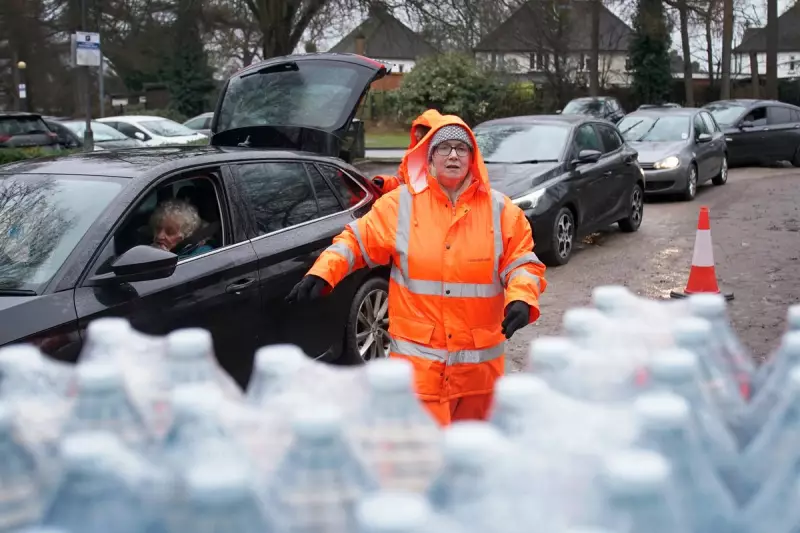
An incident manager for South East Water has publicly apologised for the prolonged disruption and the significant difficulty caused to everyday life. Despite the restoration of supplies to most areas, the incident is not completely over. As a precaution, bottled water stations remain in operation, and around 320 properties in the Bidborough area are still reporting low water pressure or intermittent supply.
Looking Ahead: Resilience and Accountability
The repeated water crises in the South East have placed the region's infrastructure resilience under a harsh spotlight. Residents and officials are now demanding concrete answers and long-term solutions from South East Water to prevent a third major outage. The outcome of the Ofwat investigation will be closely watched, as it will set a precedent for how regulators handle utility companies that consistently fail their customers during essential service failures.
For now, while the taps are running again for most, the trust in the water supplier has been severely eroded, and the community's patience is wearing thin.