The government is set to introduce a landmark ban on cruel and indiscriminate wire snare traps as part of a major new Animal Welfare Strategy, finally bringing England in line with Wales and Scotland.
What Are Snare Traps and Why Are They Being Banned?
Snares are wire nooses designed to catch running animals by the neck, torso, or legs. They are hidden in the countryside, where they tighten as the animal struggles to escape. Victims are left for extended periods without food, water, or shelter, suffering immense pain before they are shot or face a slow, lingering death.
Official statistics indicate that more than 200,000 of these devices are concealed across the English landscape, though the true number is believed to be significantly higher. Campaigners have long condemned snares as cruel and indiscriminate, as they frequently trap non-target species including pet dogs, cats, badgers, and hares.

Public Outrage and Royal Estate Incident
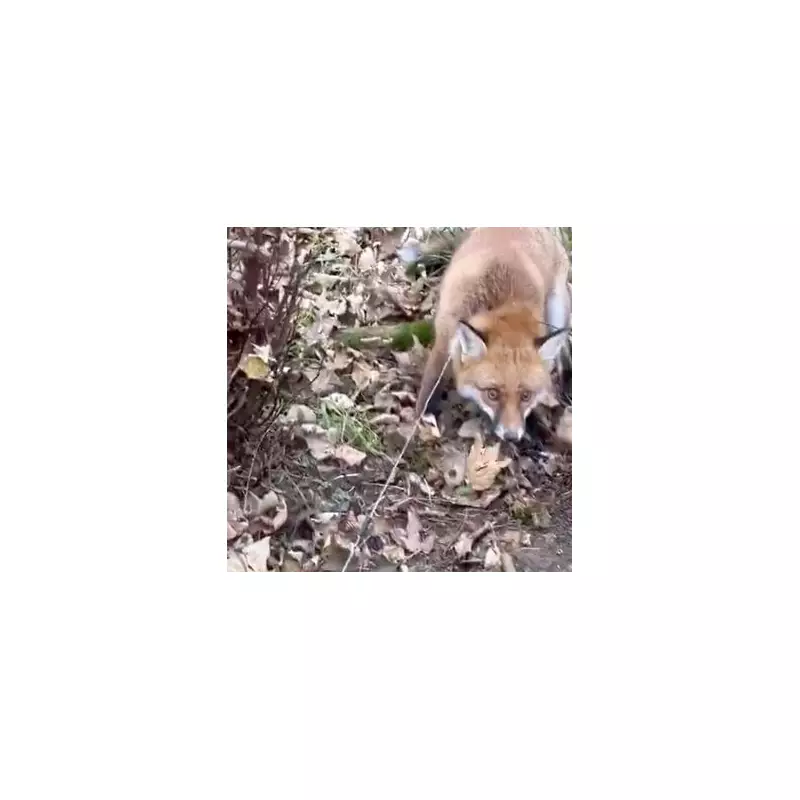
Public pressure for a ban intensified last year following a shocking video that showed a terrified fox caught in a snare on King Charles's Sandringham estate. The minute-long clip, revealed by The Mirror, depicted the animal frantically trying to flee with the wire noose around its neck.
This was not an isolated incident on royal land; pet dogs have also been known to become trapped in snares on the Sandringham Estate. Other harrowing accounts involve pet owners discovering their lost animals injured or killed in snares set on derelict land.
A YouGov survey conducted earlier this year found that 71% of adults in England believe snares should be made illegal, highlighting widespread public support for the ban.
Government and Campaigners Welcome the Ban
The new Animal Welfare Strategy, to be published in full on Monday, delivers on a manifesto commitment. Animal Welfare Minister Baroness Hayman stated: “Britain is a nation of animal lovers, and the government is committed to putting an end to animal cruelty wherever we find it. I'm proud to be part of the Government delivering on that promise.”
Emma Slawinski, chief executive of the League Against Cruel Sports, which has campaigned tirelessly on the issue, commended the move. “Snares pose a constant danger in the countryside,” she said. “These traps are blunt instruments of cruelty, often used for no other reason than to protect millions of game birds which are later shot just for fun, and have no place in a country committed to taking a progressive approach to animal welfare.”
The government has also signalled that it is reviewing other wildlife traps where welfare concerns have been raised and will consider further action.