Birdwatchers across Sussex have been treated to an exceptional spectacle this December, with confirmed sightings of two of the UK's rarest grebe species. The exciting discoveries, reported by the Sussex Ornithological Society, have caused a stir among the local ornithological community.
Spotting the Scarce Winter Visitors
The first remarkable sighting was of a Red-necked Grebe on the Southwick Canal at the start of the month. The bird proved elusive at times but remained for a four-day stay, allowing numerous enthusiasts to catch a glimpse. Simultaneously, a Black-necked Grebe was observed at Pagham Lagoon in West Sussex, a first-time sighting for the lucky observer who reported its week-long presence.
The Red-necked Grebe is classified as a Red-listed species under the Birds of Conservation Concern framework, denoting its severe conservation status in the UK. It is an exceptionally uncommon winter visitor, with small numbers arriving from Eastern European breeding grounds. Wildlife trusts note they are most often seen in sheltered bays on southern and eastern coasts, though storms can occasionally push them inland.

Conservation Status and Elusive Breeding
Both species are notorious for their rarity as breeding birds in Britain. The location of any Red-necked Grebe attempting to nest is kept a closely guarded secret to prevent disturbance. Their elaborate courtship displays, involving pairs rising breast-to-breast from the water, are a sight very few in the UK have witnessed.
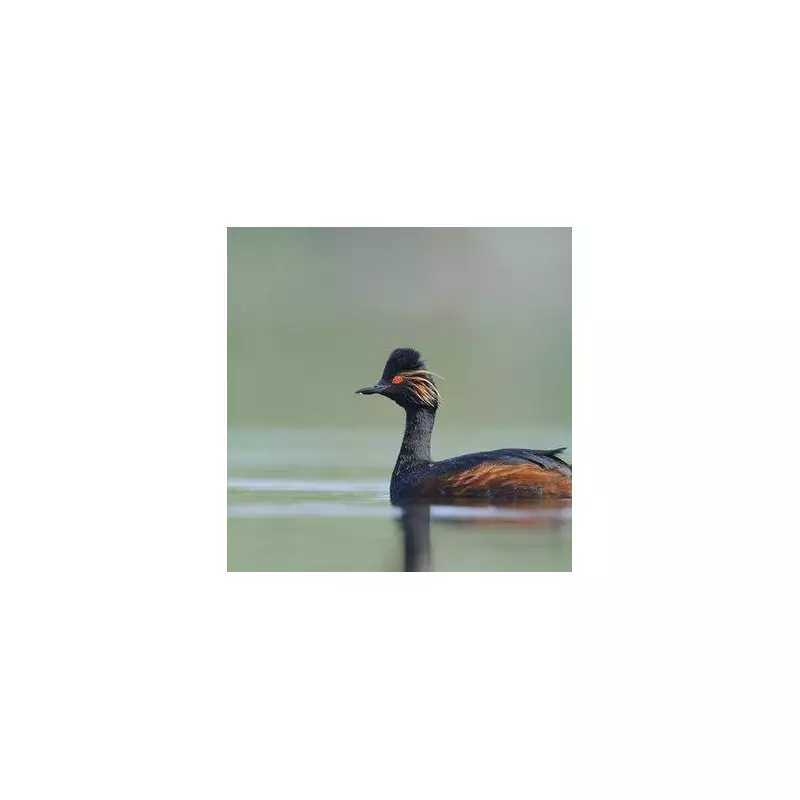
The Black-necked Grebe holds an Amber conservation listing, with only around 50 breeding pairs in the country. The Royal Society for the Protection of Birds (RSPB) attributes its scarcity to limited habitat and threats like climate change. This small grebe, with distinctive golden facial tufts and a black head, is protected under Schedule 1 of The Wildlife and Countryside Act, making intentional disturbance a criminal offence.
Why These Sightings Matter
These December observations are significant for several reasons:
- They provide valuable data for conservation societies monitoring rare species populations.
- They offer a unique opportunity for birdwatchers to see species that are usually absent from UK shores.
- They highlight the importance of coastal and inland wetland habitats for vulnerable wildlife.
While a handful of these grebes may summer in the UK, successful breeding remains a rare event. The recent sightings in Sussex serve as a powerful reminder of the diversity and fragility of the UK's winter birdlife, bringing joy to enthusiasts and vital information to conservationists alike.