Groundbreaking research from the University of Glasgow has revealed that human-made materials now constitute as much as half of the coarse sediments found on certain British beaches. The study, which examined six distinct sites along Scotland's Firth of Forth estuary, discovered that brick, concrete, glass and various forms of industrial waste are becoming dominant components of what were once considered natural coastal environments.
Systematic Analysis of Urban Coastal Sites
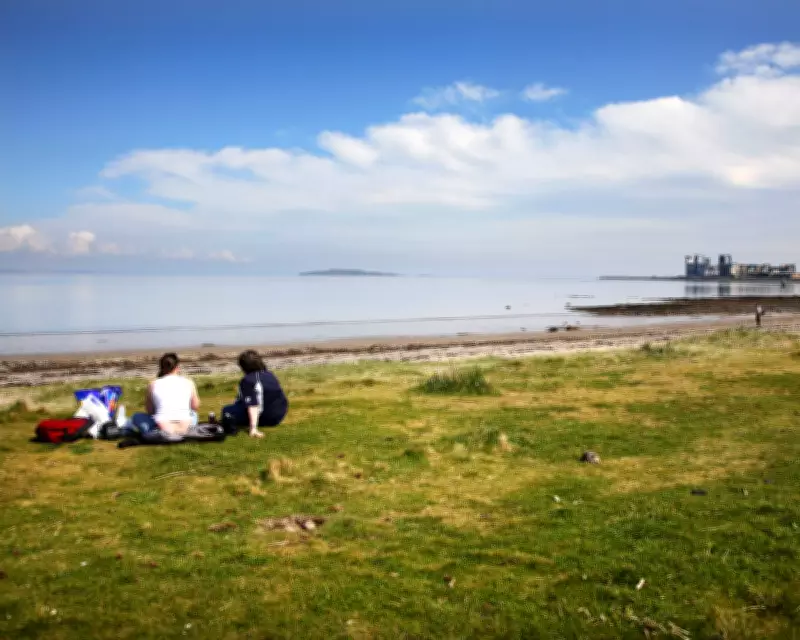
The research team employed a meticulous systematic search methodology to collect and analyse sediment samples from beaches at Torryburn, Ravenscraig, the Fife coastal path, Carriden, Granton and Prestonpans. Their findings present a startling picture of how human activity is fundamentally altering coastal landscapes across the United Kingdom.
Alarming Findings at Granton Beach
At Granton beach near Edinburgh, researchers made the particularly concerning discovery that approximately 50% of the coarse sediments consisted of anthropogenic materials. These substances primarily originate from coastal industrial sites experiencing erosion and from historical waste dumping practices, with materials being swept from land into the Forth estuary over time.

A Nationwide Phenomenon
This transformation of beach composition is not isolated to Scottish shores. The study highlights similar patterns across England, including Crosby beach in Merseyside where waste from historical collieries and second world war blitz debris now forms substantial portions of what is commonly perceived as natural sand.
Furthermore, the Thames estuary's sediments are believed to contain significant quantities of human-made materials. On sandy banks opposite Canary Wharf, weathered bricks that have rounded over time through natural processes are colloquially known as "Thames potatoes," illustrating how anthropogenic materials become incorporated into coastal systems.
Scientific Classification and Implications
Across all surveyed beaches, the research team found an average of 22% of coarse sediments consisted of what they term "anthropogenic geomaterial." This discovery has prompted scientists to propose a new scientific classification: "anthropogenic sand and gravel" beaches, recognising the fundamental transformation occurring in these coastal environments.
Climate Breakdown Accelerating Coastal Changes
Climate breakdown has emerged as a critical factor intensifying this phenomenon. More frequent and destructive coastal storms are accelerating erosion processes, releasing greater quantities of human-made materials into beach systems. As Professor Larissa Naylor, co-author of the study published in the journal Sedimentology, explains: "Beaches are not static landforms – they change. How does a brick become a 'Thames potato'? It's not all just about marine plastics. People don't necessarily know about things like this."
Professor Naylor, who specialises in geomorphology and environmental geography at the University of Glasgow, emphasised the importance of understanding these changes: "Research like this casts a new light on how human activity is affecting the natural world." She has called for expanded research into urban coastal areas, noting this is vital for developing effective coastal management strategies that account for these transformed environments.
Ecosystem Impacts and Future Management
Scientists warn that as climate breakdown continues to accelerate coastal erosion, landscape changes could have unpredictable effects on coastal ecosystems. The incorporation of anthropogenic materials into beach systems represents a significant environmental transformation that requires careful monitoring and management.
The study underscores the urgent need for comprehensive coastal management approaches that recognise beaches as dynamic systems continually reshaped by both natural processes and human activity. As anthropogenic materials become increasingly prevalent in coastal sediments, understanding their long-term environmental impacts becomes ever more critical for preserving Britain's coastal heritage and ecosystems.