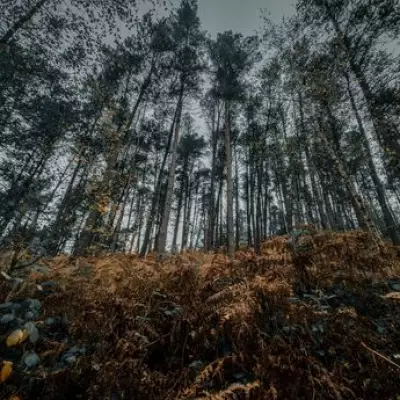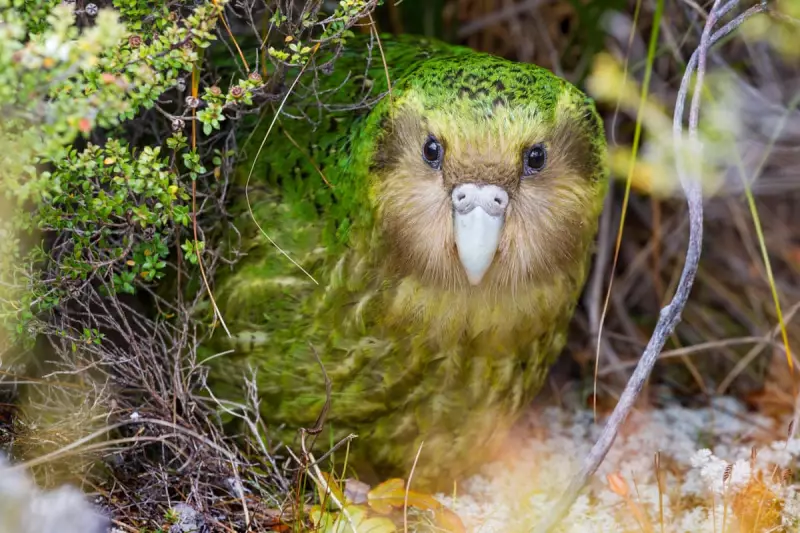
Conservationists in New Zealand are on high alert for a rare and hopeful event: a bumper breeding season for the world's heaviest and only flightless parrot, the critically endangered kākāpō. The trigger is a spectacular natural phenomenon known as a 'mega-mast', where native rimu trees produce a massive crop of berries, providing the essential nutrition needed for the birds to raise their young.
A Rare Event for a Rare Bird
This breeding opportunity is a significant moment, as kākāpō only breed every two to four years, synchronising their reproductive cycle entirely with the rimu tree's irregular fruiting patterns. The last breeding event was four years ago, making this season highly anticipated. Deidre Vercoe, the Department of Conservation's operations manager for the kākāpō recovery programme, expressed her team's excitement, stating they hope the birds will "all get into the action this summer."
The kākāpō population, once nearly extinct, has been painstakingly rebuilt from a low of just 51 birds in 1995 to 236 individuals today, including 83 breeding-age females. These chunky, nocturnal parrots are thought to live between 60-80 years and can weigh up to 4kg. Their survival is entirely dependent on predator-free island sanctuaries near the bottom of New Zealand's South Island.

The Fascinating Rituals of the 'Boom'
The kākāpō mating ritual is as unique as the bird itself. Males gather in areas called 'leks' and produce a deep, booming sound from air sacs in their chests to attract females. This resonant call, likened to a softly plucked cello string, can travel up to 5km through the forest. After mating, the female is solely responsible for incubating the eggs and raising the chicks for roughly six months.
Vercoe notes it remains a mystery how the parrots know when the rimu will mast, but the nutritious berries are crucial. When the crop is plentiful, it provides enough energy for a female to successfully raise two or three chicks. "They are extremely good climbers," Vercoe said, describing how the flightless birds scale 20-30 metre high trees repeatedly throughout the night to feast.
Hope and Future Challenges
While the team is hopeful for a strong season, challenges remain. A higher number of younger, less experienced females are ready to breed this year, and their success rate may be lower. "I never like to count our chickens before they hatch," Vercoe cautioned, "but we're really hopeful that the majority of the females breed." On average, previous seasons have yielded about one chick per breeding female.
Success, however, brings its own dilemma. The programme is now running out of space in New Zealand's limited predator-free habitats. "It's an exciting turning point for the programme," Vercoe explained, highlighting the pressing question of where to place a growing population. This 'mega-mast' offers a vital chance to boost numbers, but securing the species' long-term future will require continued innovation and habitat expansion.