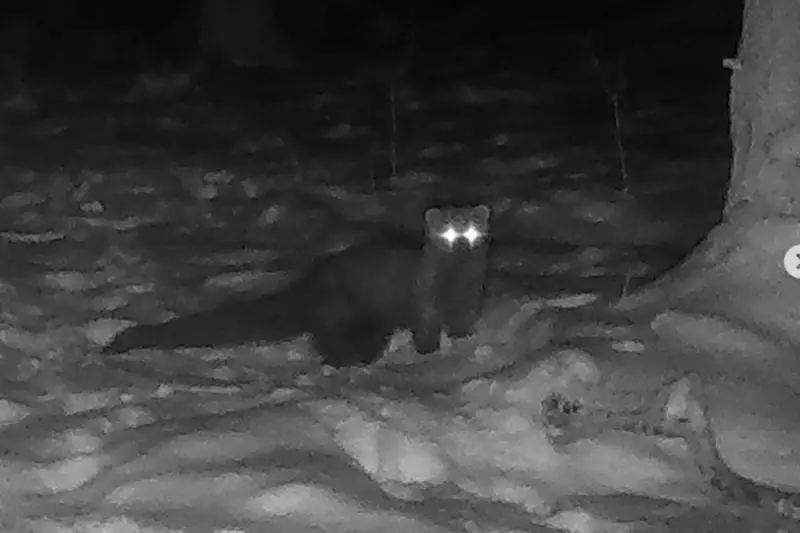
In a remarkable event for wildlife enthusiasts, a creature not officially seen in an Ohio county for more than a hundred years has been filmed by a trail camera. The medium-sized mammal, known as a fisher, was recorded in Cleveland Metroparks, located within Cuyahoga County.
A Century-Long Absence Ends
The sighting, confirmed on Thursday 18 December 2025, marks the first time this species has been documented in Cuyahoga County since the 1800s. Fishers, which are part of the weasel family, were once common across Ohio. However, a combination of widespread habitat loss and unregulated trapping led to their disappearance from much of the state by the mid-19th century, as noted by the Ohio Division of Wildlife.
Signs of a Wider Comeback
This single camera trap image is not an isolated incident but part of a encouraging trend. While it is the first confirmed visual evidence in this specific county for over a century, more than 40 other sightings have been reported across northeastern Ohio in recent years. This suggests a gradual re-establishment of the fisher population in the region.

Wildlife officials attribute this return primarily to successful reintroduction programmes carried out in neighbouring states, namely Pennsylvania and West Virginia. Animals from these thriving populations have evidently begun to disperse into suitable Ohio habitats.
What This Sighting Means
Park authorities have stated that the reappearance of fishers, along with other species once locally extinct, is a positive indicator. It highlights the tangible success of long-term conservation efforts and underscores the critical importance of maintaining and protecting healthy, connected natural areas. The return of a top predator like the fisher can also help balance local ecosystems.
Residents across Ohio are now being actively encouraged to report any new or potential fisher sightings to wildlife officials. This public data is invaluable for biologists tracking the species' expansion and understanding its new range within the state.