Three men have been taken into custody in Sri Lanka following the circulation of a deeply disturbing video on social media that showed them setting a wild elephant on fire. The incident has provoked widespread revulsion and drawn attention to the escalating conflict between humans and wildlife in the country.
The Horrific Attack and Arrests
Police confirmed the arrests on Thursday in the north-central district of Anuradhapura, located approximately 125 miles north of the capital, Colombo. The suspects, whose ages range from 42 to 50, were placed on remand until December 24 as investigations continue.
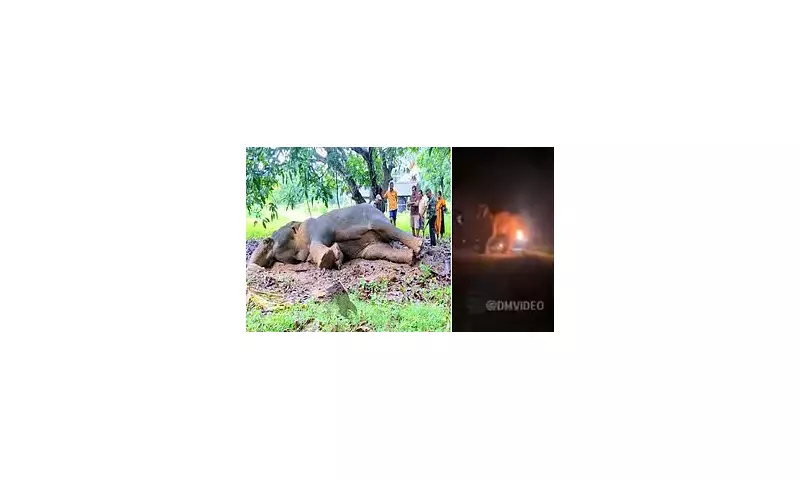
The viral footage, which spread rapidly online, captured the moment the defenceless elephant was set alight, with the three individuals seen watching as the animal's tail burned. A separate clip showed the grievously injured elephant rolling on the ground in agony, reportedly having sustained an injury to its front leg.

Wildlife officials later revealed a more harrowing sequence of events. The elephant had first been shot and wounded before the fire attack was carried out. Despite efforts by veterinary surgeons to save it, the animal succumbed to its injuries.
Legal Protections and a Growing Conflict
In Sri Lanka, elephants are considered sacred and are protected by law. Poachers convicted of killing an elephant can face the death penalty, though the country has not carried out an execution since 1976, with such sentences automatically commuted to life imprisonment.
Despite this legal framework, attacks by farmers and villagers on elephants that raid crops are not uncommon in remote areas. This tragic event underscores a severe and ongoing human-elephant conflict that claims around 400 elephant and 200 human lives annually in Sri Lanka.
The country is home to an estimated 7,000 wild elephants, regarded as a national treasure partly due to their significance in Buddhist culture. However, their survival is increasingly threatened by habitat loss and degradation, which forces them closer to human settlements in search of food and water.
A Wider Pattern of Tragedy
This horrific act of cruelty follows another tragic incident earlier this year, when a passenger train struck a herd of elephants near the Minneriya wildlife sanctuary in February. That collision resulted in the deaths of six elephants, including four calves and two adults, and caused the train engine and several carriages to derail. Fortunately, no passengers were injured.
Such train collisions have become more frequent in recent years, as elephants attempt to cross railway tracks that cut through their natural habitats and migration corridors. The Minneriya National Park, part of a vital 'elephant corridor' connecting other national parks, is a major tourist destination for wildlife viewing.
The public outrage over the recent burning video highlights the intense emotional and cultural connection Sri Lankans have with elephants, while also casting a stark light on the desperate and sometimes violent realities of coexistence between people and wildlife.