As the festive season reaches its peak, health experts are issuing a stark warning about the physical toll of holiday pressures, highlighting a dangerous spike in cardiac events known as 'holiday heart syndrome'.
The Festive Stress Epidemic
The holidays, while a time for joy and connection, can also be a significant source of anxiety. A recent report from insurer Allianz Global found that more than half of Americans felt more stressed around the holidays than at the start of 2025. Compounding this, the American Psychological Association notes at least half of U.S. adults report feelings of loneliness or exclusion during this period.
This emotional burden has a direct and measurable impact on physical wellbeing. Chronic stress is a recognised risk factor for high blood pressure, diabetes, and serious cardiac events. The phenomenon isn't merely about feeling overwhelmed; it can lead to hospital admissions and, in severe cases, prove fatal.

Guarding Your Mental and Financial Health
Experts advise that setting clear boundaries is crucial for mental preservation. Dr. Kimberly Sain, a psychologist at Hartford HealthCare’s Anxiety Disorders Center, emphasises that overcommitting to social events adds unnecessary pressure. She recommends learning to decline invitations gracefully to protect your mental space.
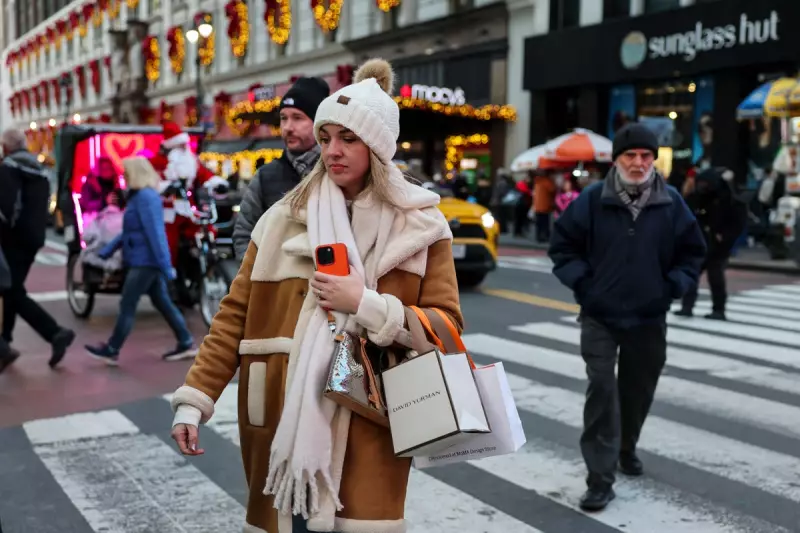
Financial strain is another major holiday stressor. Mindful spending and strict budgeting are essential to avoid a debt hangover in the new year. The American Bankers Association suggests creating a detailed gift list with spending limits before shopping. As the Mayo Clinic pragmatically notes, while buying gifts is important, paying your energy bill is paramount.
The Direct Threat to Your Heart
The most severe consequences of festive stress are cardiovascular. Dr. Rachel Lampert, a Yale Medicine cardiologist, explains that long-term stress increases bodily inflammation, contributing to plaque buildup in arteries and conditions like coronary artery disease. This disease affects over 20 million U.S. adults and is a leading cause of death.
Doctors are particularly concerned about 'holiday heart syndrome', a cluster of conditions including heart failure, heart attacks, and atrial fibrillation (AFib)—an irregular, rapid heartbeat. More than 10.5 million American adults live with AFib, according to the University of California at San Francisco.
While increased alcohol consumption is a common trigger, stress-induced high blood pressure is a significant factor. Dr. Marcus St. John, an interventional cardiologist at Baptist Health Miami Cardiac & Vascular Institute, describes a 'Christmas Coronary Effect', where stress, overindulgence, and delayed medical care create a perfect storm for heart attacks.
Practical Steps for a Healthier Season
To counteract these risks, experts recommend replacing passive screen time with activities that genuinely nourish the mind and body, such as exercise, time in nature, and quality sleep. Julie Garden-Robinson, a food and nutrition specialist, confirms that moderate exercise like walking enhances mood and strengthens heart health.
Perhaps the most potent medicine is genuine social connection. Spending meaningful time with loved ones biologically reduces stress, decreasing cortisol and boosting feel-good hormones like oxytocin, serotonin, and dopamine. For those who cannot be with family, faith groups, community activities, or virtual calls can provide vital interaction.
This festive period, prioritising your wellbeing by managing commitments, finances, and screen time isn't just about comfort—it could be a critical step in safeguarding your heart.