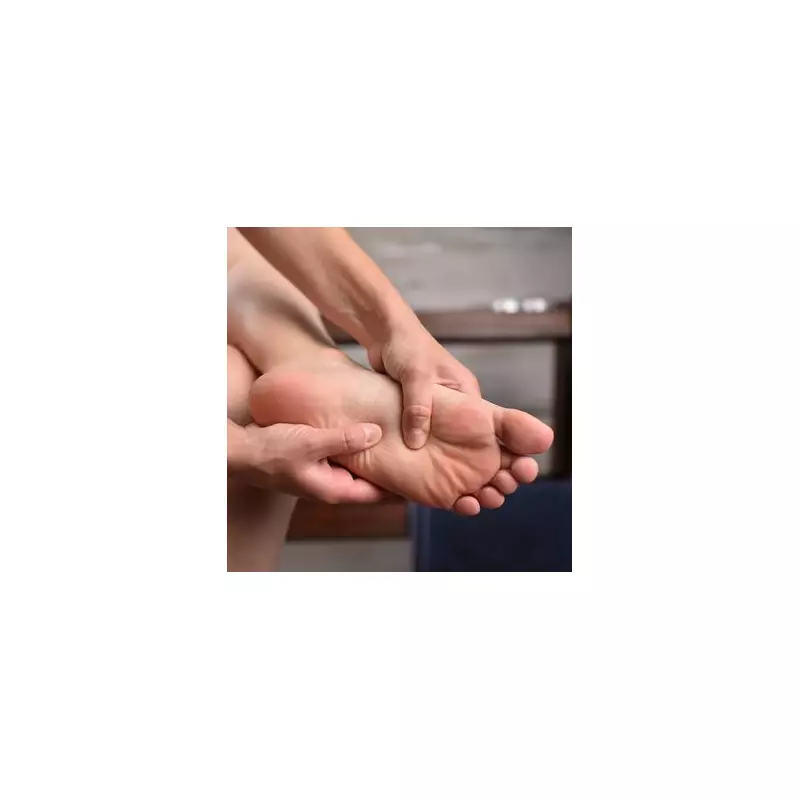
High cholesterol, often a silent threat, can manifest through alarming and persistent symptoms in an unexpected part of the body: your feet. Medical experts warn that these signs, which include pain, ulcers, and gangrene, are critical indicators of restricted blood flow and can signal the development of peripheral artery disease (PAD).
The Critical Link Between Cholesterol and Your Feet
Elevated levels of LDL, or 'bad' cholesterol, pose a severe risk by clinging to artery walls and creating dangerous blockages. This process, known as atherosclerosis, doesn't just threaten the heart; it can seriously restrict blood flow to the limbs. The British Heart Foundation (BHF) explains that when this happens, the feet are often the first area affected because they are furthest from the heart, making it hardest for the body to deliver sufficient blood, nutrients, and oxygen.
This reduced circulation can lead to a serious condition called critical limb ischaemia, which requires immediate medical treatment to prevent severe complications, including the potential loss of a limb. Spotting the early signs is therefore crucial for preventing life-threatening emergencies like heart attacks and strokes.

Three Persistent Foot Symptoms to Never Ignore
Health authorities highlight three specific, persistent warning signs in the feet that can point directly to high cholesterol and PAD:
1. Persistent Pain: This is often a cramping pain in the calves, thighs, or buttocks that occurs during activity and eases with rest, though it can become constant as the condition worsens.
2. Ulcers (Open Sores): These are wounds on the feet or legs that do not heal properly due to poor blood supply, leaving them vulnerable to infection.
3. Gangrene: This is the most severe sign, where tissue begins to die and turn black due to a complete lack of blood flow. It constitutes a medical emergency.
Additional Warning Signs of Peripheral Artery Disease
Beyond the three primary symptoms, the BHF and NHS advise looking out for other changes in the legs and feet, which together paint a clearer picture of circulation problems:
- Hair loss on the legs and feet.
- Numbness or weakness in the legs.
- Brittle, slow-growing toenails.
- Shiny, tight skin on the legs.
- Skin colour changes, turning pale or blue.
- Muscle wasting in the legs.
- Erectile dysfunction in men.
Because high cholesterol itself frequently presents no symptoms, the appearance of these physical signs is a vital red flag that should prompt immediate action.
Diagnosis and Action: The NHS Pathway
If you experience any of these symptoms, confirming high cholesterol with a healthcare professional is essential. The NHS states that a simple blood test is the most effective method for detection. This can be done either by drawing blood from your arm or via a finger-prick test.
If high cholesterol is confirmed, your GP will discuss a management plan. This typically involves lifestyle changes as a first step, such as adopting a heart-healthy diet and increasing physical activity. In some cases, cholesterol-lowering medication like statins may be recommended.
Key lifestyle changes include reducing intake of saturated fats found in fatty meats, butter, cheese, and lard, and replacing them with unsaturated fats from vegetables, nuts, seeds, and oils. Furthermore, boosting exercise is critical. UK guidelines recommend at least 150 minutes of moderate-intensity activity per week, such as brisk walking, which increases your heart rate and breathing.
Early intervention based on these warning signs can drastically reduce the risk of developing advanced PAD, heart disease, and stroke, safeguarding your long-term health.