Australia's Social Media Ban Sparks Isolation Fears for Disabled Youth
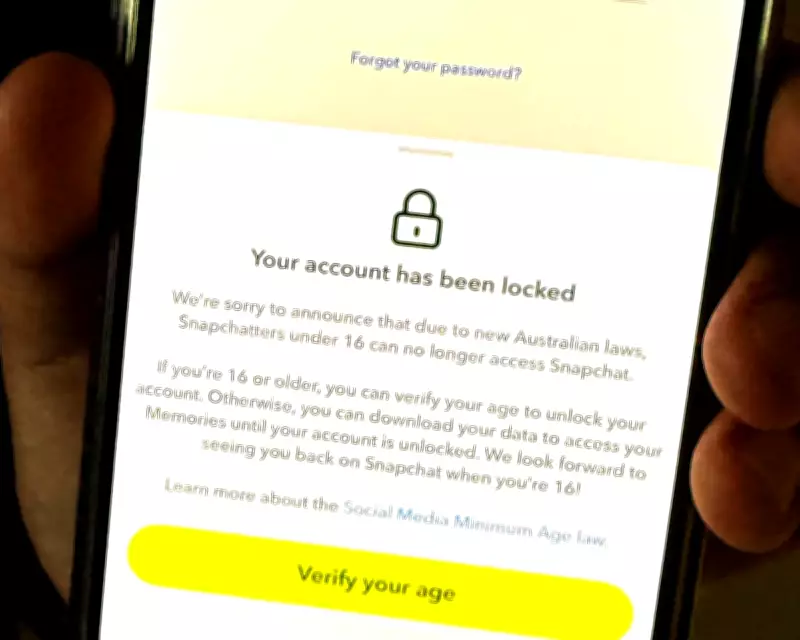
Australia's pioneering social media restrictions for users under 16 have triggered warnings from advocacy groups that children with disabilities could face increased isolation and lose crucial support networks. The laws, which came into effect on 10 December, require platforms to ban accounts of anyone below the age threshold, but experts argue this blanket approach overlooks the unique benefits online spaces provide for marginalised young people.
"I've Lost My Friends": Personal Accounts Highlight the Impact
Fourteen-year-old Indy, who is autistic, describes social media as a safe space where she could express herself authentically and build meaningful connections. "I have autism and mental health things, it's hard making friends in real life for me," she explains. "My online friends were easier because I can communicate in my own time and think about what I want to say. My social media was my main way of socialising and without it I feel like I've lost my friends."
Indy's experience underscores a broader concern: while the ban aims to shield young people from harmful content and cyberbullying, it simultaneously removes a vital lifeline for those who struggle with in-person interactions. The timing of the implementation, just before the long summer school holidays, exacerbated feelings of loneliness for many like Indy, who suddenly found themselves cut off from peer networks primarily maintained through platforms like Snapchat and Instagram.

Advocacy Groups Voice Concerns Over Accessibility and Connection
Children and Young People with Disability Australia (CYDA) has emphasised that social media often serves as "one of the few truly accessible ways to build connections and find community" for young people with disabilities. In a submission to a Senate inquiry, CYDA highlighted that these online spaces allow individuals to represent themselves and their disabilities on their own terms, learn from others with similar experiences, and mitigate the profound sting of loneliness.
Isabella Choate, CEO of Western Australia's Youth Disability Network (YDAN), warns that the ban has disproportionately affected disabled youth, who may lack alternative pathways to social connection. "Losing access to community with no practical plan for supporting young people has in fact not reduced the online risk of harm and has simultaneously increased risk for young people's wellbeing," Choate states.
Teen Advocates Describe Social Media as a Critical Outlet
Fifteen-year-old Ezra Sholl, a disability advocate and quadriplegic, relies on social media to maintain his social life and combat isolation. "As a teenager with a severe disability, social media gives me an avenue to connect with my friends and have access to communities with similar interests," Ezra says. "Having a severe disability can be isolating, social media makes me feel less alone."
Despite the ban, Ezra notes that many of his peers have evaded detection through age verification loopholes or by creating new accounts, raising questions about the effectiveness of the enforcement measures. This evasion highlights the complex reality of implementing such restrictions in a digital landscape where determined users often find workarounds.
Parent-Led Campaigns Push for Broader Cultural Change
Dany Elachi, founder of the Heads Up Alliance and a father of five, led one of the parent groups advocating for the ban. He views the legislation as a step toward shifting societal norms around children's online exposure. "The fact that this was a debate that was front and centre for over a year means that the message got through to every parent in the country, and from that perspective alone I count it as a win," Elachi remarks.
Elachi draws parallels between social media use and other regulated activities, suggesting that parents should moderate their children's online engagement just as they would with substances like alcohol or tobacco. "Ultimately we don't want to have platforms policing what is going on, we just want parents themselves to say 'this is not good for you' to their twelve or thirteen year old children," he adds.

Balancing Protection with Practical Support
The controversy surrounding Australia's social media ban reveals a critical tension between safeguarding young people from online harms and preserving essential avenues for connection, particularly for vulnerable groups. With over 4.7 million accounts reportedly blocked since the ban's implementation, the debate continues to evolve as stakeholders assess both the intended and unintended consequences of this groundbreaking policy.
As advocacy groups call for more nuanced approaches that consider the diverse needs of disabled youth, the broader conversation highlights the importance of ensuring that protective measures do not inadvertently exacerbate isolation or deprive individuals of the supportive communities they rely on for emotional wellbeing and social integration.