The government has acknowledged that its planned tax changes to the Motability Scheme could lead to some disabled users abandoning the service completely. The admission came in official documents detailing the potential impact of reforms set to take effect from July 2026.
What Changes Are Coming to Motability?
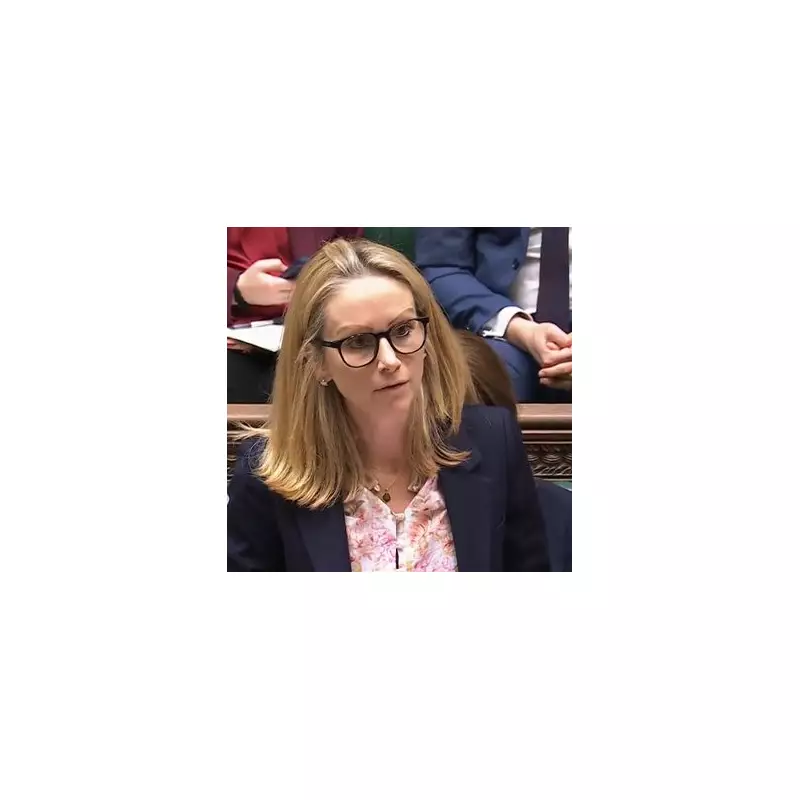
In a statement to Parliament on December 17, Treasury minister Lucy Rigby confirmed the details of alterations first announced in the Autumn Budget. From 1 July 2026, two key tax changes will be introduced for new leases on the scheme, which currently supports around 860,000 people with mobility challenges.
The VAT relief on top-up payments for more expensive vehicles will be removed. Furthermore, Insurance Premium Tax (IPT) will apply at the standard rate, which was 12% as of November 2025, to new insurance contracts within the scheme. The government states these changes will save over £1 billion over the next five years.

High-end car brands, including BMW and Mercedes-Benz, will also be removed from the scheme as it refocuses on "practical, affordable mobility." Importantly, vehicles designed or permanently adapted for wheelchair or stretcher users will remain exempt from both new taxes.
Potential Impact on Scheme Users
An official Tax Impact and Information Note, referenced by Minister Rigby, spells out the likely consequences. It states that the individuals most affected will be those who currently choose to pay more upfront for a higher-value lease.
Some users will face higher costs to renew the same vehicle, while others may opt for a smaller or lower-specification model. The document frankly admits these additional costs "could reduce their disposable income." It clarifies that while the tax changes will reduce the purchasing power of benefits within the scheme, the cash value of the benefit itself will not be cut.
The most stark warning concerns participation. The note says: "While some individuals will be eligible for financial support from the Motability Foundation... a minority may choose to leave the scheme altogether in response to tax related price increases." Those who leave would retain their disability benefit as a cash payment but lose their scheme vehicle, forcing them to seek alternative transport.
Government and Industry Response
The government expects a broad range of vehicles to remain available without requiring a top-up payment. It argues the changes are necessary to ensure Motability can "continue to deliver for its customers." The impact, however, will not be uniform and will depend on individual circumstances and vehicle choice.
The Motability Scheme itself has stated on its website that the tax changes "increase the overall cost of providing the Scheme." It is now reviewing its operations to absorb these costs where possible and has pledged to continue offering quarterly price reviews. The next update is scheduled for 1 January.
The changes follow a question in Parliament from Lewisham North Labour MP Vicky Foxcroft, who asked the Chancellor about the projected financial impact on users and the car industry. The government's response, and the accompanying impact note, now confirm that for a vulnerable segment of users, the new financial burden may prove too great.