NDIS Neglect Reports Skyrocket as System Fails Disabled Residents
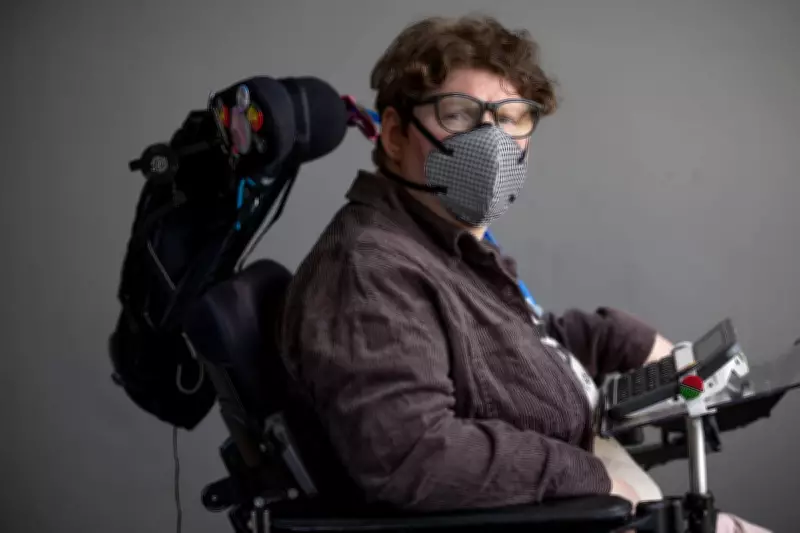
Sam Peterson endured four miserable years in a disability group home, describing the experience as death by a thousand cuts. Severe understaffing, driven by cost-cutting priorities, led to the neglect of Sam's most basic needs. "I don't necessarily blame the individual support workers, I do blame the system which enables this type of behaviour," Sam says, pointing to a flawed framework that perpetuates harm.
Alarming Rise in Reportable Incidents
Internal documents obtained by Guardian Australia and released under freedom of information laws reveal a disturbing trend. In the three years since the disability royal commission, reports of abuse, neglect, and unauthorised restraint of people with disabilities have surged dramatically. The NDIS Quality and Safeguards Commission, the regulator for NDIS providers, handled 107,325 reportable incidents last year, a sharp increase from 74,791 in 2023.
The data shows specific categories with significant rises:

- Reports of abuse increased to 6,131 in 2025 from 5,076 in 2023.
- Neglect reports jumped to 9,688 last year, up from 6,550 in 2023.
- Serious injury reports rose to 12,089, compared to 7,350 in 2023.
- Unauthorised restrictive practices, such as mechanical or chemical restraints, soared to 71,485, vastly higher than 48,772 in 2023.
Additionally, roughly 13 incidents of unlawful sexual contact are reported to the NDIS commission each week, underscoring the severity of the crisis.
Systemic Issues and Expert Warnings
Dr George Taleporos, the independent chair of Every Australian Counts, argues that these figures highlight the urgent need for alternatives to group homes. "These numbers represent tens of thousands of people with disability experiencing serious violence, abuse, and neglect in services meant to keep us safe," Taleporos states. He emphasises that forced shared living arrangements, where individuals lack control over their environment and support staff, are a root cause of the problem.
The NDIS commission attributes the increase in reports to stronger compliance with mandatory reporting, improved detection, or growth in participants and providers. However, advocates caution against downplaying the raw numbers. A spokesperson noted that reportable incidents cover a wide range of matters, including complex behavioural situations or unsubstantiated allegations, and do not necessarily prove wrongdoing.
Ongoing Challenges and Legislative Changes
These revelations emerge during a period of intense change and uncertainty for NDIS participants. Legislative reforms aimed at cutting costs for a scheme projected to reach $90 billion by the decade's end are causing widespread anxiety. Guardian Australia has documented numerous cases where supports are being cut or denied, even for those with complex needs requiring 24-hour care.
Experts are also alarmed by the planned deployment of an online tool called the Instrument for the Classification and Assessment of Support Needs (I-CAN), which will help determine individual support plans. Advocates warn that this tool represents a form of robo-planning that could further endanger people with disabilities by automating critical decisions without adequate human oversight.
A Personal Perspective on Improvement and Fear
Sam is now in a better situation, with NDIS funding for specialist disability accommodation and independent support workers who show respect and treat Sam like a person. However, the stability remains tenuous. "I'm always afraid the NDIA will cut my funding, and that the NDIA will stop allowing independent support workers, which could mean I don't get a say in who my support team is," Sam explains. "This is very important because everyone should have the choice of who touches their body, makes their meals, enters their home. My body, my choice."
The NDIS commission asserts that it prioritises safety and human rights, assessing every notification comprehensively. A spokesperson for the National Disability Insurance Agency added that the scheme provides funding for independent living in the community. Yet, as reports of neglect continue to climb, the system's ability to protect its most vulnerable participants remains under intense scrutiny.