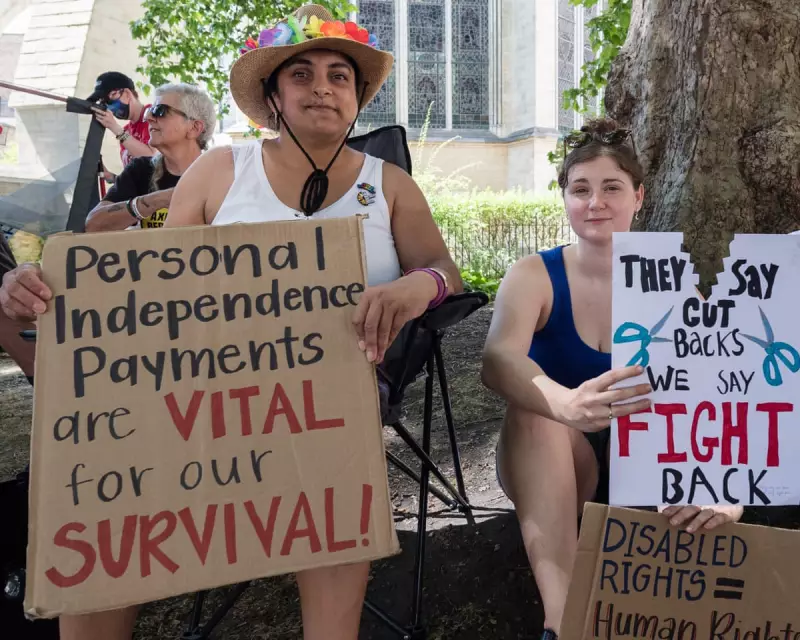
Severe delays in processing Personal Independence Payment (PIP) claims are inflicting financial hardship and distress on disabled people across the UK, with some waiting more than a year for a decision. The benefit, designed to cover the extra costs of living with a disability, has instead become a source of prolonged uncertainty, pushing vulnerable claimants closer to poverty.
A System in Crisis: Targets Missed and Delays Mounting
The Department for Work and Pensions (DWP) has a target to process 75% of new PIP claims within 75 working days. However, recent performance figures for the 2024-25 period reveal a stark shortfall, with only 51% of claims being completed within that timeframe. This administrative failure means thousands are left in limbo, unable to budget for essential costs.
For those reliant on PIP, the delay is far from a mere bureaucratic inconvenience. The payment acts as a gateway to other crucial support, such as Carer's Allowance. Without it, individuals are rapidly falling into debt, rent arrears, and severe financial difficulty. Charities highlight that disabled households need an extra £625 per year compared to non-disabled households just to cover basic essentials like energy and transport.

Parliamentary Scrutiny and Empty Promises
MPs have grown increasingly frustrated with the DWP's response to the crisis. Sir Geoffrey Clifton-Brown, chair of the Public Accounts Committee, pointed out that promised improvements to the system have failed to materialise. "We are now told that they are a further three years off," he stated last week, noting that similar assurances were given three years ago.
The department's primary solution remains a long-term digital overhaul—the "health transformation programme"—which aims to move applications online. However, critics argue this is being used as a shield against accountability while frontline capacity continues to erode. There is a growing suspicion that the delay conveniently avoids the need to hire extra staff to cope with rising claim numbers.
The Human Cost and the Path Forward
The post-pandemic landscape has seen a sharp increase in long-term illness and reported disabilities, driving up PIP claims. As the system buckles under this pressure, the human cost escalates. The minister for social security and disability, Sir Stephen Timms, is conducting a review of PIP, including its assessment model, with a report expected this year.
The parliamentary committee has been blunt, warning the government that this review cannot become another excuse for inaction. They stress that reform and operational efficiency are not mutually exclusive. The core issue, as identified by MPs, is that an entitlement benefit is being effectively rationed through administrative delay, a failure of the state to correctly name and solve a problem it has the power to fix.