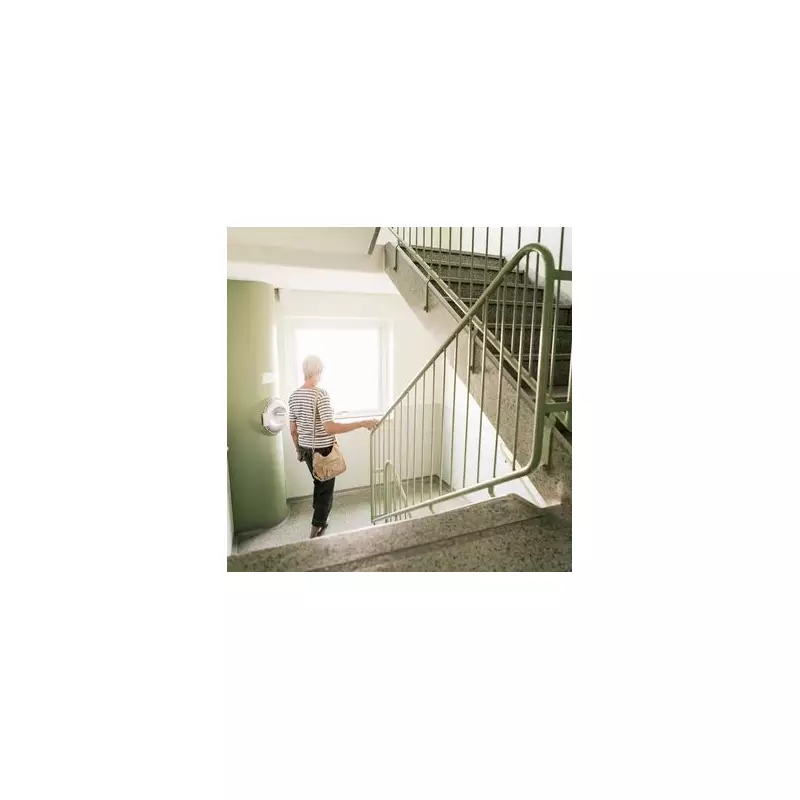
Medical experts have highlighted a frequently overlooked early indicator of dementia that can manifest during a simple daily activity: walking up or down stairs. This symptom, related to physical movement and perception, can appear well before more pronounced behavioural changes or memory issues become evident.
Beyond Memory Loss: The Physical Symptoms of Dementia
Leading dementia charity Alzheimer Scotland emphasises that the condition encompasses far more than memory loss. "People often assume that memory loss and dementia are one and the same, but there are other key symptoms and signs to look out for," the charity states. They note that the specific effects depend on which areas of the brain are damaged, making each individual's experience unique.
While slower thinking, language difficulties, and reduced mental sharpness are better-known signs, dementia can also profoundly impact physical coordination. This is often due to a decline in visuospatial skills and depth perception, as the brain struggles to interpret spatial information accurately.

Navigating Stairs: A Key Warning Sign
The weakening of depth perception can make navigating stairs particularly challenging. An individual may find it harder to judge the height and depth of steps, leading to difficulty in lifting their feet properly. This increases the risk of trips, stumbles, and falls.
Alzheimer Scotland warns that changes in walking pattern, such as a noticeable shuffle instead of a proper stride, can be a telltale sign. "Things like slips, trips and falls might become more common. You might start to notice that a person is shuffling as opposed to lifting their legs when they are walking," the charity advises.
Practical Steps for Safety and Support
If you observe someone having consistent difficulty with stairs alongside other potential dementia symptoms, it is crucial to seek medical advice. Booking a GP appointment is the recommended first step.
For those concerned about a loved one's mobility at home, several safety modifications can be made, particularly on staircases. The Alzheimer's Society provides clear guidance: "Falls on stairs and steps can cause injuries, so it is important to make them safe." For renters, this may involve discussing adjustments with a landlord or letting agent.
The charity recommends the following safety measures:
- Replace worn or damaged carpets and floor coverings.
- Ensure bannisters are sturdy and consider fitting easy-grip handrails on both sides.
- Improve step visibility by using contrasting paint or special stair edging (nosing).
- Keep stairs completely free from clutter and avoid carrying too much when using them.
Additionally, improving strength and balance can reduce fall risk. The organisation suggests incorporating specific exercises twice a week and consulting a GP for a possible physiotherapy referral. A general home safety check for hazards like loose rugs and poor lighting is also advised.
This insight underscores the importance of recognising the broad spectrum of dementia symptoms, which extend beyond cognitive decline to affect physical navigation and safety in everyday environments.