A leading London doctor has issued a crucial warning to patients about the limitations of routine blood tests, emphasising they cannot detect all serious health conditions, including many cancers.
The Blood Test Misconception
Dr Leen Tannous, a GP who shares health advice on TikTok, highlighted one of the most persistent myths she encounters in her practice. Many patients believe that a serious illness like cancer would automatically be spotted in a standard blood test.
"One of the biggest misconceptions I see as a GP is the belief that if something serious - especially cancer - was going on, it would automatically show up on a routine blood test," Dr Tannous stated. "But that's not how blood tests work."

What Routine Blood Tests Actually Check
Dr Tannous explained that standard blood tests are designed to look for specific markers. These typically include:
- White blood cell counts
- Kidney and liver function
- Cholesterol levels and blood sugar
- Thyroid function
- Inflammatory markers like CRP (C-reactive protein)
While these provide an excellent overview of general health, they are not comprehensive screening tools for every potential problem.
"They don't screen for everything, and they don't automatically detect cancer," she clarified. "Some cancers don't show any changes on these routine markers at all."
Patient Reactions and Real-Life Cases
The revelation sparked significant discussion online, with many users sharing their own frustrating experiences. One commenter noted: "Every time I go with a problem they do bloods, says everything is fine and send me away."
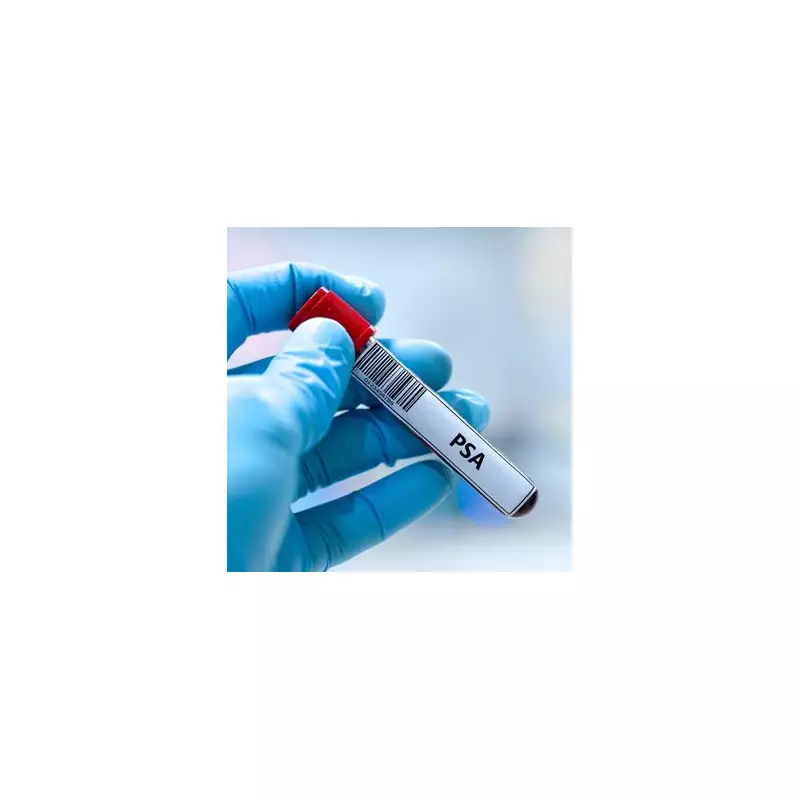
Others questioned why tumour markers aren't included in standard testing. However, Dr Tannous explained these are only added when a healthcare professional has a specific reason based on symptoms, examination, or medical history.
Several users shared powerful personal stories that underscore the doctor's warning. One revealed: "I had kidney cancer and all my blood tests came back normal." They were only diagnosed through an ultrasound originally intended to check their gallbladder.
Another tragic account detailed: "My partner had stage 4 bowel cancer and up to the weeks leading up to his passing all his bloods apart from iron and his white blood count during active chemo were fine."
According to the NHS, blood tests serve important purposes in checking general health, investigating symptoms, assessing condition risk, and monitoring treatment. However, as Dr Tannous concludes, "Blood tests are a tool, not a crystal ball." She stresses that symptoms should always guide medical investigations, not the other way around.