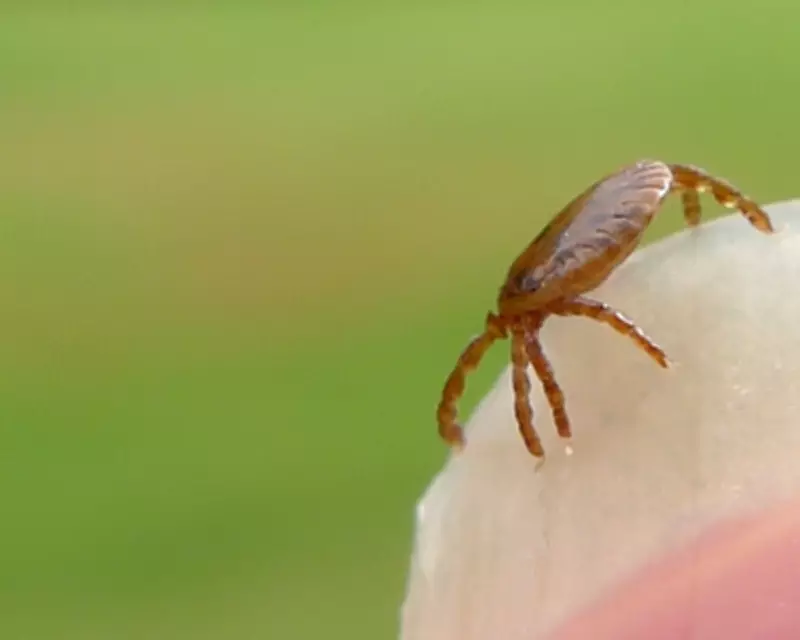
Tragic Death of Australian Teenager from Tick Bite Meat Allergy
In a heartbreaking incident that has shocked the medical community and public across Australia, a teenager named Jeremy Webb has died after developing a severe meat allergy from a tick bite. The case underscores the potentially fatal consequences of tick-borne illnesses, which are increasingly being recognized as a significant public health concern in regions where ticks are prevalent.
Details of the Incident
Jeremy Webb, a teenager whose age has not been specified in initial reports, succumbed to anaphylaxis, a severe and life-threatening allergic reaction. This reaction was triggered by the consumption of meat, following a tick bite that led to the development of an allergy to alpha-gal, a sugar molecule found in red meat such as beef, pork, and lamb. The tick bite, which likely occurred in an outdoor setting common in Australia, initiated an immune response that made Jeremy hypersensitive to meat products.
Understanding Alpha-Gal Syndrome
Alpha-gal syndrome is a condition where individuals develop an allergy to mammalian meat after being bitten by certain ticks, particularly the lone star tick in other regions, but similar ticks exist in Australia. When a tick bites, it can introduce alpha-gal into the bloodstream, causing the immune system to produce antibodies. Subsequent consumption of meat containing alpha-gal can then trigger allergic reactions, ranging from mild hives to severe anaphylaxis, as in Jeremy's case.

- Hives or skin rashes
- Swelling of the lips, face, or throat
- Difficulty breathing
- Abdominal pain or nausea
- In severe cases, anaphylactic shock
Public Health Implications in Australia
This tragic event highlights the growing awareness of tick-borne allergies in Australia, where outdoor activities are popular and tick exposure is common. Health authorities are urging increased vigilance among the public, especially in rural and bushland areas where ticks thrive. Recommendations include wearing protective clothing, using insect repellent, and conducting regular tick checks after spending time outdoors.
Medical experts emphasize the importance of early diagnosis and management for those affected by alpha-gal syndrome. Patients diagnosed with this condition are advised to avoid red meat and carry epinephrine auto-injectors (such as EpiPens) to manage potential allergic reactions promptly.Prevention and Awareness Efforts
In response to this incident, there are calls for enhanced public education campaigns to raise awareness about the risks associated with tick bites. Schools, community groups, and healthcare providers are being encouraged to disseminate information on prevention strategies and symptom recognition. Additionally, ongoing research is being conducted to better understand the prevalence of alpha-gal syndrome in Australia and develop more effective treatments.
The death of Jeremy Webb serves as a sobering reminder of the hidden dangers posed by ticks. As Australia continues to grapple with this issue, it is crucial for individuals to take preventive measures and seek medical attention if they experience unusual symptoms after a tick bite or meat consumption. This case may prompt further studies and policy discussions aimed at reducing the incidence of tick-borne illnesses and improving outcomes for those at risk.