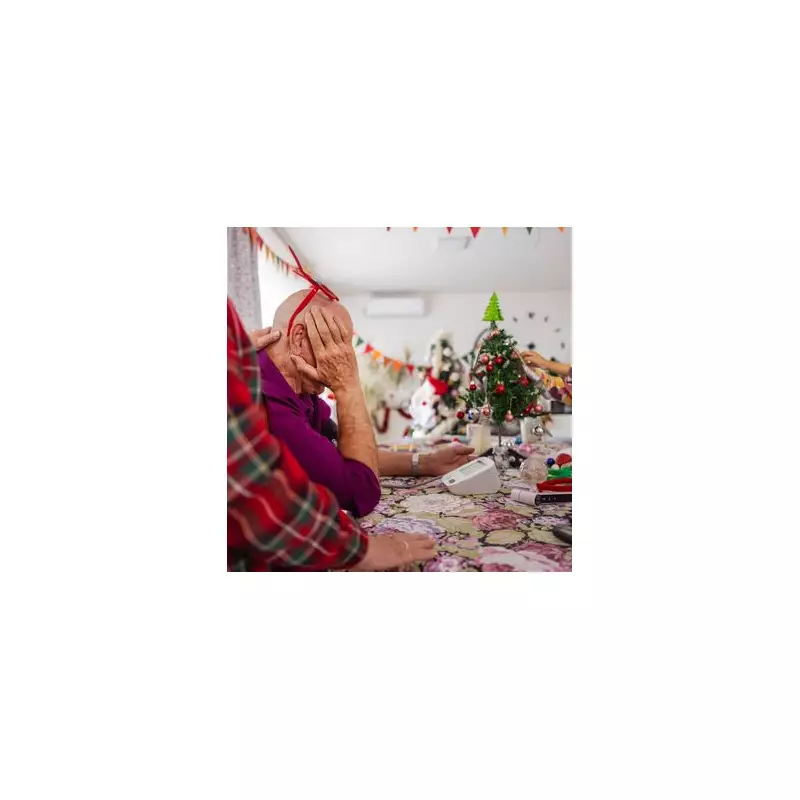
An NHS doctor has issued crucial guidance for families across the UK caring for loved ones with dementia this Christmas, warning that festive disruptions can expose serious care challenges.
Festive Pressure Can Reveal Hidden Struggles
Dr Tim Mercer, an NHS GP partner and trainer, explains that the Christmas period often brings longstanding pressures to the surface. Busy households, broken routines, and heightened emotions can take a significant toll on both the person living with dementia and their family carers.
"Every family's situation is unique, but planning early makes all the difference," Dr Mercer advises. He stresses the importance of honestly evaluating a loved one's current needs and how they may change, given the progressive nature of dementia. Balancing safety, comfort, and emotional well-being is paramount.

When Home Care Remains the Right Choice
For many, especially in the early and middle stages of the condition, remaining at home is still the preferred and beneficial option. Familiar surroundings can greatly reduce anxiety and confusion.
Dr Mercer, who also works with care bed provider Opera Beds, notes that adapted home environments can support independence. "Profiling care beds help prevent falls and make everyday care easier for both the person living with dementia and their carers," he said.
Red Flags That Specialist Care May Be Needed
However, the GP cautions families not to ignore clear warning signs that home care may no longer be safe or sustainable. He urges using the festive period, when visiting relatives may notice changes, as a time for frank reassessment.
Key practical signs that it might be time to consider a care home include:
- Difficulty managing personal hygiene
- Frequent falls or safety incidents
- Significant weight loss or poor nutrition
- Increasing agitation or confusion
- Caregivers feeling overwhelmed or unable to provide adequate support
Reaching this point does not signify failure, Dr Mercer emphasises, but rather that care needs have evolved. "When home becomes difficult to manage safely, it may be time to explore specialist settings. The goal isn’t to give up home living, but to ensure the right support and dignity at every stage of life," he explained.
Steps for Families to Take Now
Dr Mercer recommends several proactive steps for families:
Creating a clear, forward-looking care plan is essential. He also advises seeking professional guidance from a GP or a dementia care specialist, exploring respite care options to give family carers a break, and regularly reviewing home modifications to maintain safety as needs change.
Ultimately, whether care is delivered at home or in a specialist facility, the focus must remain on quality of life. "Whether at home or in a care facility, the main priorities are comfort, safety, and quality of life, supported by the right environment and equipment," Dr Mercer concluded.