Coroner Finds 'Avoidable Delay' Led to Newborn's Death After Home Birth
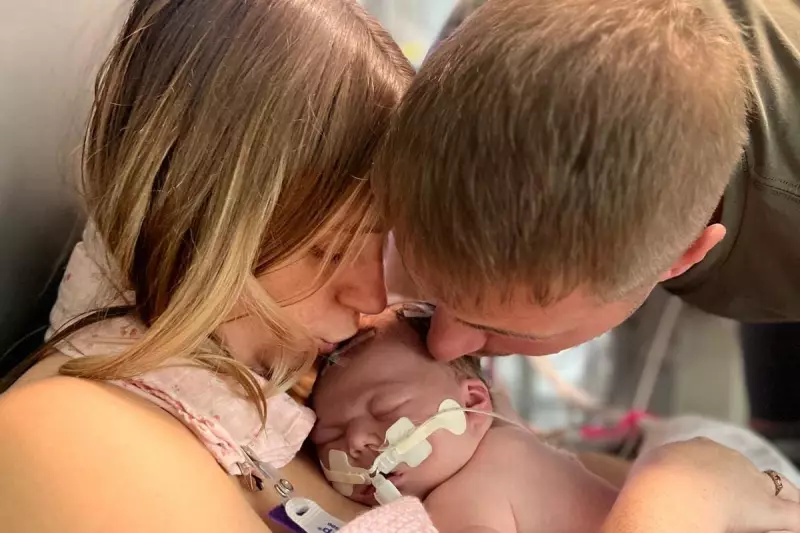
The father of a newborn baby who died following what a coroner described as an "avoidable" delay in her delivery has accused a hospital trust of playing "Russian roulette" with the lives of mothers and infants. An inquest at Cheshire Coroner's Court heard that twelve-day-old Pippa Gillibrand died after suffering a severe brain injury due to complications during a planned home birth in Warrington.
Missed Opportunities and Systemic Failings
Coroner Victoria Davies delivered a narrative conclusion stating that Pippa Gillibrand's death on September 5, 2024, resulted from a brain injury sustained because of an avoidable delay in her delivery. The inquest heard that Victoria Gillibrand, 33, had planned to give birth at her Warrington home on August 25, 2024, but the home birth team from Warrington and Halton Hospitals NHS Foundation Trust were already attending another labour.
The coroner identified multiple missed opportunities where the trust should have suspended its home birth service and advised Mrs Gillibrand to attend hospital instead. Speaking outside the court, Pippa's father Thomas Gillibrand, 34, gave an emotional statement: "The trust seems to have played Russian roulette with the innocent lives of mothers and babies. Tragically, we are the family that took the bullet on that."

Chronology of a Tragedy
The inquest heard that Mr Gillibrand first contacted Warrington Hospital at approximately 5:30am on the August bank holiday Sunday to report his wife was in labour. When he called again around 7am after her waters broke, there was another opportunity to suspend the service that was not taken. A midwife eventually arrived at their home, located 15-20 minutes from the hospital, at about 8:15am.
Critical monitoring failures then occurred: from 9am, Pippa's heart rate should have been checked every five minutes, but this did not happen due to what the court heard were "competing pressures" including staff shortages and malfunctioning equipment. The coroner found that from 9:36am, when difficulties monitoring the heart rate became apparent, a decision should have been made to transfer Mrs Gillibrand to hospital.
"Had Pippa been delivered earlier, on the balance of probabilities she would not have died when she did," Ms Davies stated. The decision to transfer was finally made at 10am, with Pippa delivered by forceps in hospital before being transferred to neonatal care. She was later moved to Liverpool Women's Hospital but died after scans revealed severe irreversible brain damage caused by oxygen deprivation.
Broader Concerns About National Guidance
The coroner revealed she plans to write to Health Secretary Wes Streeting, NHS England, and the National Institute for Health and Care Excellence (NICE) to raise serious concerns about the absence of national guidance for home birth services. She noted that although the Warrington trust has since remodelled its service, at the time of Pippa's birth, community midwives on the team assisted with only about three labours annually.
Ms Davies highlighted that a prevention of future deaths report had been issued by a Manchester coroner last year following similar home birth tragedies, yet she was "not aware any national guidance had been issued since that report" and remained "not assured the issue had been resolved." She intends to issue her own report focusing on guidance gaps and data collection deficiencies.
Family's Anguish and Calls for Change
Victoria Gillibrand, who carried a small toy bought for Pippa during the inquest, added her voice to calls for systemic reform: "Services have been underfunded and stretched for such a long time, that we're now in a position that we've lost our daughter because of the cuts and the services that are currently in situ. Things need to change."
Rebecca Cahill from JMW Solicitors, representing the family, stated unequivocally: "What is clear from today's conclusion is that the family were failed from the start. The circumstances arising on August 25 2024 made the homebirth service manifestly unsafe, and the service should have been suspended when Vicky made initial contact."

The case has raised urgent questions about resource allocation, staff training, and national oversight of home birth services across the NHS, with the coroner's impending report expected to increase pressure for immediate regulatory action.