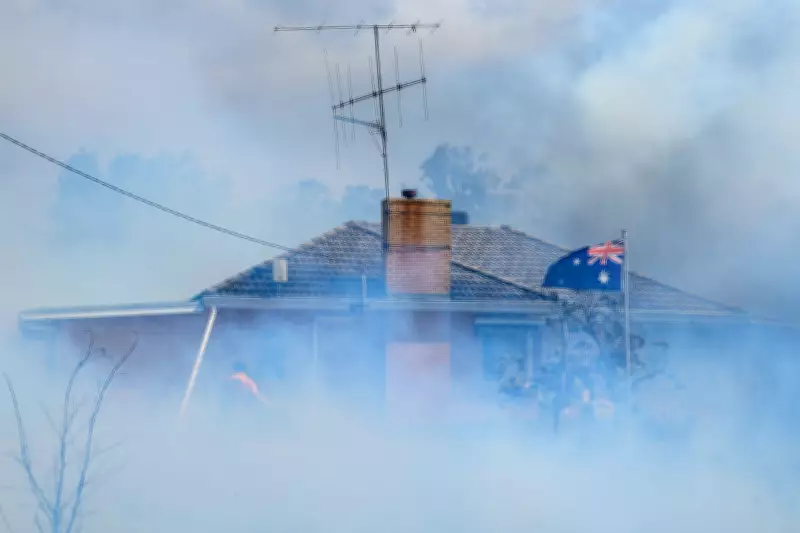
Australian scientists have uncovered an alarming connection between exposure to bushfire smoke and a sharp rise in mental health crises among children and adolescents. The groundbreaking research adds substantial weight to evidence that the health consequences of wildfires extend far beyond the well-documented respiratory illnesses, posing a severe threat to the psychological wellbeing of younger generations.
Emergency Visits Spike Following Smoke Exposure
The study, conducted by researchers at Monash University and published in the journal Nature Mental Health, analysed particulate air pollution levels following bushfires and compared them with pollution from non-fire sources like traffic and industrial activity. It discovered a troubling pattern: visits to emergency departments for mental health conditions by children increased notably in the six days after exposure to bushfire-related pollution.
Critically, the effect was found to be stronger than that observed following exposure to other types of air pollution at similar concentrations. This suggests the particulate matter from bushfires, which differs in chemical composition from typical urban pollution, carries a unique and potent psychological risk.

A Perfect Storm of Stressors for the Young
The researchers emphasise that bushfire smoke often occurs alongside a cascade of other traumatic stressors. These can include forced evacuation from homes, sudden school closures, and prolonged confinement indoors to avoid hazardous air. For children and adolescents, who may have fewer developed coping mechanisms and less ability to control their environment, this combination appears to amplify psychological harm significantly.
"While previous studies have linked air pollution to mental health outcomes in adults, evidence among children has been more limited," the report notes. "This analysis suggests children and adolescents may be particularly vulnerable during and after smoke events, with impacts emerging rapidly in the days following exposure rather than weeks later."
Climate Crisis Lengthens and Intensifies the Threat
These findings arrive at a critical juncture, as Australia and many other regions globally face longer, more severe, and more frequent bushfire seasons driven by the escalating climate crisis. Record-breaking heat extremes are becoming commonplace, leading to larger populations being exposed to prolonged smoke events that can last for weeks on end.
This raises profound concerns about the cumulative, long-term impacts on child development and overall wellbeing. The study underscores that the threat is not merely acute but a recurring public health challenge that demands a new strategic approach.
Call for Urgent Overhaul of Public Health Responses
The research team argues that current public health advisories, which predominantly focus on short-term physical precautions like staying indoors, are insufficient. They state there is an urgent need to integrate mental health risk assessments into official responses to bushfire smoke, especially for protecting children.
"Urgent action is needed to mitigate the mental health impacts of wildfire air pollution, safeguarding the well-being of future generations in the face of increasing wildfires," the researchers wrote. They highlight a significant preparedness gap, noting that while air quality alerts typically warn of respiratory and cardiovascular dangers, the psychological risks are largely unrecognised and unaddressed.
As climate change increases the likelihood of repeated exposure to such extreme events, the study serves as a stark warning. It calls for policies and interventions that look beyond the immediate physical dangers to protect the mental resilience of the youngest and most vulnerable members of society from the insidious effects of a warming world.