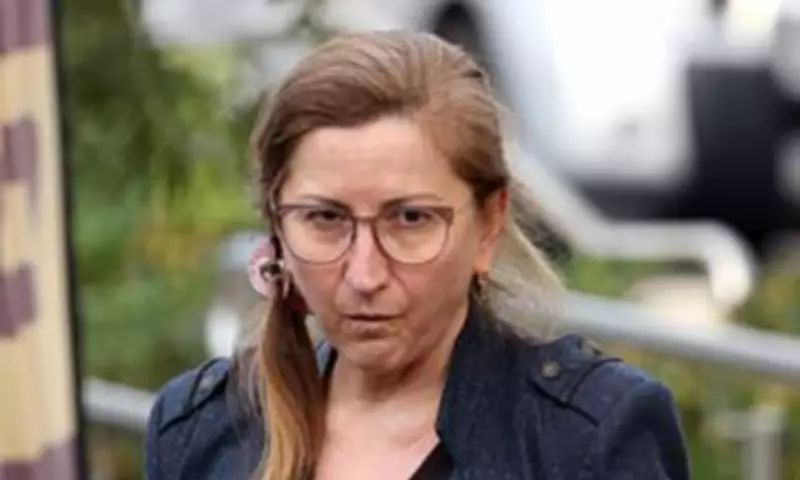
Coroner Delivers Scathing Findings on Psychiatrist's Role Before Bondi Junction Tragedy
The psychiatrist treating Joel Cauchi, who carried out a deadly stabbing rampage at Bondi Junction Westfield, has faced severe criticism from a coroner for failing to act on clear warning signs about his deteriorating mental health. Coroner Teresa O'Sullivan's comprehensive investigation has highlighted significant shortcomings in the clinical care provided to the 40-year-old schizophrenic before the April 2024 attack.
Fatal Attack and Its Aftermath
The horrific incident at Sydney's Bondi Junction Westfield resulted in the tragic deaths of six individuals: Dawn Singleton, 25; Ashlee Good, 38; Jade Young, 47; Pikria Darchia, 55; Yixuan Cheng, 27; and security guard Faraz Tahir, 30. Ten other people, including a nine-month-old baby, sustained injuries during Cauchi's violent assault while he was experiencing acute psychotic symptoms.
Psychiatrist's Critical Failings Identified
In her detailed 831-page findings delivered on Thursday, Coroner O'Sullivan determined that while psychiatrist Andrea Boros-Lavack made an appropriate decision to discontinue Cauchi's antipsychotic medication in 2019, she subsequently committed "major failings" in her clinical oversight. The coroner noted that Dr Boros-Lavack failed to recognise the worsening of Cauchi's psychotic symptoms despite receiving explicit warnings from his mother about his deteriorating condition.

Specific concerns highlighted in the findings include:
- Failure to respond to reports that Cauchi was hearing voices and writing notes about being under satanic control
- Not recommending that Cauchi resume his medication when symptoms reappeared
- Inadequate information provision to Cauchi's general practitioner upon discharging him from her care
Coroner's Assessment of Contributing Factors
While identifying these clinical shortcomings, Coroner O'Sullivan emphasised that the psychiatrist's failings were "not the sole cause" of the mass stabbing incident. She characterised them as one element within a broader series of systemic shortcomings that contributed to the tragedy. The coroner has formally referred Dr Boros-Lavack to the Health Ombudsman of Queensland for a comprehensive review of her care and treatment of Cauchi.
Security and Emergency Response Issues
The coroner's investigation also uncovered significant problems with the emergency response at Bondi Junction Westfield. It was revealed that the emergency evacuation alarm was activated only two minutes after Cauchi had been fatally shot by police. Coroner O'Sullivan found that the sole CCTV operator in the shopping centre's control room lacked sufficient competence to manage the highly stressful situation effectively.
She placed responsibility on the management of security firms Scentre Group and their subcontractor Glad, stating they should have recognised the operator's inexperience and implemented better staffing arrangements to handle such critical incidents.
Police Response Commended
In contrast to the criticism directed at clinical and security services, Coroner O'Sullivan offered high praise for the police response to the incident. She specifically commended NSW Police Inspector Amy Scott, who was the first officer on the scene and ultimately shot Cauchi as he ran toward her. The coroner described Inspector Scott's actions as "extraordinary, calm, skillful and courageous" and noted they "clearly saved lives." Inspector Scott attended Lidcombe Coroners Court to hear the findings delivered.
Systemic Recommendations for Improvement
Coroner O'Sullivan has issued a series of recommendations aimed at preventing similar tragedies in future:

- The NSW government should obtain expert advice regarding the decline in and demand for mental health outreach services across the state
- A comprehensive inquiry should be conducted into mental health resource availability, with a clear timeline established for service improvements
- The government should actively promote the "Escape, Hide, Tell" public safety slogan to better prepare civilians for situations involving armed offenders
These recommendations reflect the coroner's concern about broader systemic issues in mental health service provision and public safety preparedness that require urgent attention from authorities.