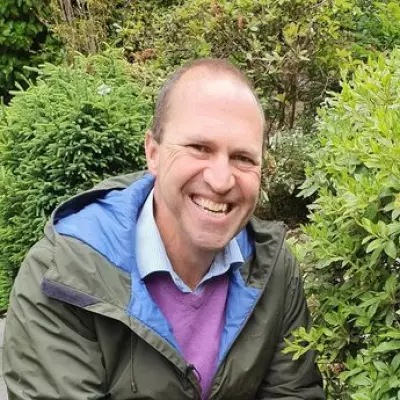
The Royal College of Psychiatrists in Scotland has called for mental health to be placed on an equal footing with physical health, ahead of the upcoming election. Dr Jane Morris, chair of the college, warned that Scotland is “failing some of its most unwell citizens.”
Manifesto Demands Parity
The Royal College’s manifesto urges political parties to ensure parity between mental and physical health in terms of funding, access, and accountability. Dr Morris emphasised that “there is no health without mental health” and highlighted that people with severe mental illnesses die, on average, 15 to 20 years earlier than the general population. She noted that most of these deaths are from preventable physical illnesses, not suicide, attributing this to underinvestment, structural discrimination, and systems that fail to reach those in greatest need.
Dr Morris warned that when services are stretched, “the people with the most complex needs are pushed furthest into the margins.” She added: “Putting mental illness on an equal footing with physical illness should be an election test, not an afterthought.” She stressed that the first year of the next parliamentary term will determine whether Scotland addresses its mental health emergency or accepts worsening outcomes. Psychiatrists, she said, are ready to work cross-party with the next government to rebuild mental health services based on evidence, compassion, and clinical expertise.

Political Responses
Scottish Conservatives
Dr Sandesh Gulhane, Scottish Conservatives health spokesman and candidate for Glasgow Anniesland, criticised the SNP for failing mental health services. He pointed to long referral lists for children, stating that “on John Swinney’s watch, referral lists for children have become refusal lists.” He pledged to work with Scottish Action for Mental Health to establish walk-in mental health hubs across Scotland, modelled on their Nook centre, and to create Scotland’s first dedicated mental health centre for veterans.
SNP
Clare Haughey, SNP candidate for Rutherglen and Cambuslang and a mental health nurse, defended the SNP’s record, noting that more people are receiving mental health support and the mental health budget exceeds £1.5 billion. She criticised Labour for failing to back this budget and for proposing cuts. The SNP, she said, would expand NHS 24’s Mental Health Hub to include psychological therapies and invest an additional £3.5 million to improve access to care.
Scottish Labour
Dame Jackie Baillie, Scottish Labour deputy leader, described mental health care as “neglected” under the SNP. She called for a change in government, pledging a new 24/7 emergency mental health service, increased mental health funding, expanded support in primary care, and quicker access to CAMHS for children.
Scottish Liberal Democrats
Alex Cole-Hamilton, Scottish Lib Dems leader, accused the Scottish Government of failing to match rhetoric with action. He proposed placing more mental health professionals in GP surgeries, creating walk-in crisis services, and establishing dedicated mental health beds for children and young people north of Dundee to end long journeys for treatment and rejected referrals.