GP Reveals Alarming Statistic on Weight-Loss Jab Consultations
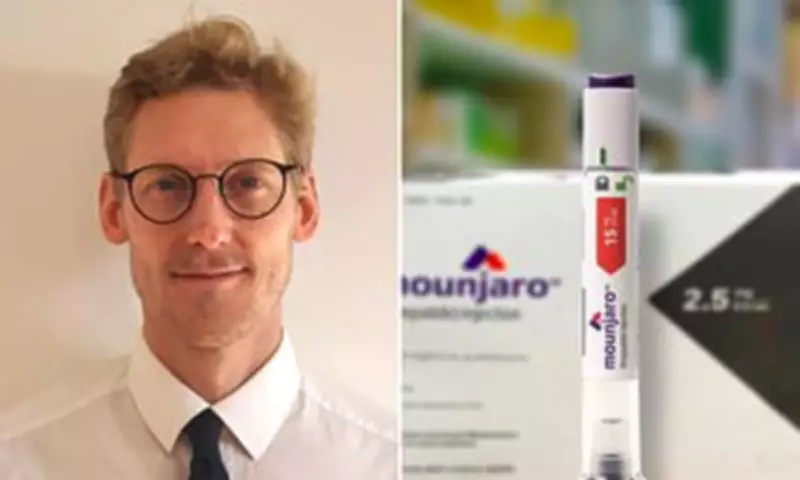
A senior general practitioner has issued a stark warning that one in every twenty-five GP appointments in the NHS is now dedicated to discussions about Mounjaro or other similar weight-loss injections. This concerning trend emerged during a session of the Health and Social Care Select Committee in Parliament, which focused on food and weight management strategies. Dr Munro Stewart, a GP Partner and vice-chair of the Royal College of General Practitioners, shared this statistic, highlighting the increasing burden on the NHS as more patients seek these medications.
Private Prescriptions Leading to NHS Strain
Dr Stewart explained that many individuals are obtaining Mounjaro through private providers before returning to the NHS with complications. "There is demand for these drugs. There are people seeking these drugs privately coming to us. Most days I will have a letter from a private prescriber saying we've given this drug to your patient," he told MPs. He emphasised that while the NHS aims to support patients in improving their health, it is now dealing with a surge in cases involving side effects from privately prescribed weight-loss jabs.
In November alone, approximately 263,000 prescriptions for Mounjaro were issued within the NHS, costing the service around £60 million. However, it is estimated that around two million people are taking the drug through private channels, paying typically £200 per month. This private usage is contributing to a significant workload increase for NHS staff, as patients experience adverse reactions or interactions with other medications.

Risks and Dubious Practices in Private Sector
Dr Kath McCullough, a consultant in diabetes and endocrinology and an obesity advisor to the Royal College of Physicians, added to the concerns. She noted a rise in emergency department visits due to side effects from this class of drugs. "We certainly have seen an increase in the number of people coming to emergency departments with side effects from the whole class of drugs," she stated.
Dr McCullough, who also works in acute medicine at the Royal Surrey Hospital in Guildford, criticised "dubious practices" by some private providers. She warned that these providers often rely solely on patient self-reporting without proper medical checks. "They'll be largely relying on what the patient tells them," she said, highlighting instances where prescriptions are issued based on a single photo submitted by patients via platforms like Instagram.
"If you want to get your hands on these medications it is very easy to do so," Dr McCullough remarked, expressing concern over the lack of regulation in the private sector. She also cautioned healthcare workers not to assume that only obese or overweight individuals are using these drugs, as misuse is becoming more common.
Focus on Prevention and Long-Term Care
Both doctors stressed that while weight-loss jabs have a role in treatment, prevention should remain the primary focus. Dr Stewart warned against over-medicalising obesity, which could lead to high costs and increased NHS workload. "There is a danger of over-medicalising it [obesity] as well... if we try to completely medicalise this, this could be extremely high cost to the NHS workload and we have to put this all in the context of prevention is better than cure," he said.
He added that long-term data on these drugs is still lacking, and "it doesn't change the need for wraparound care." Dr McCullough echoed this sentiment, advocating for a move beyond simplistic notions of obesity prevention centred solely on diet and exercise.
NHS Incentives and Rollout Plans
The warnings come amid revelations that GPs could receive bonuses of up to £3,000 per year for prescribing Mounjaro to eligible patients under a new NHS contract. This financial incentive aims to encourage family doctors to accelerate the drug's rollout, which can help patients lose up to a fifth of their body weight in just over a year. The total value of these weight-related bonuses for GPs could reach £25 million.

Despite being authorised to prescribe the treatment eight months ago, not all practices are currently doing so. NHS England has implemented a phased 12-year rollout plan, prioritising only 220,000 patients in the first three years. The drug is currently offered on the health service to severely obese individuals with a body mass index over 40 who also have complicating conditions such as high blood pressure, obstructive sleep apnoea, cardiovascular disease, and type 2 diabetes.
Health Secretary Wes Streeting commented: "Weight-loss drugs can be a real game changer for those who need them. I'm determined that access should be based on need, not ability to pay." He also addressed the risks of rogue prescribers in the private sector, stating that this initiative is part of a broader public health package to alleviate the £11 billion burden obesity places on the NHS and economy.
Overall, with an estimated 2.4 million people using these drugs in the UK, the increasing reliance on private prescriptions and the subsequent strain on NHS resources underscore the urgent need for balanced approaches to obesity management, emphasising both treatment and prevention.