Pet Owners Alert: 5 Common Plants That Are Toxic to Dogs and Cats
Pet owners across the UK are being urged to exercise extreme caution with common household and garden plants this week, as experts from the Blue Cross charity highlight the severe dangers they pose to dogs and cats. While some plants may only cause mild stomach upsets, others can trigger life-threatening health emergencies, especially if consumed in large quantities. This warning comes at a critical time, with Valentine's Day approaching and floral bouquets becoming more prevalent in homes.
Why Pets Are at Risk
The charity's veterinary experts explain that although many dogs instinctively avoid dangerous plants, others—particularly curious puppies or young dogs—may explore their environment by mouthing, licking, or chewing on toxic foliage. Cats, known for their agility and curiosity, are equally vulnerable, often leaping to access flowers placed in vases. "As our dogs tend to explore the world with their mouths, they can be at risk of licking, chewing or eating a poisonous plant," the Blue Cross states, emphasising that prevention is key to safeguarding pets.
The Five Hazardous Plants to Avoid
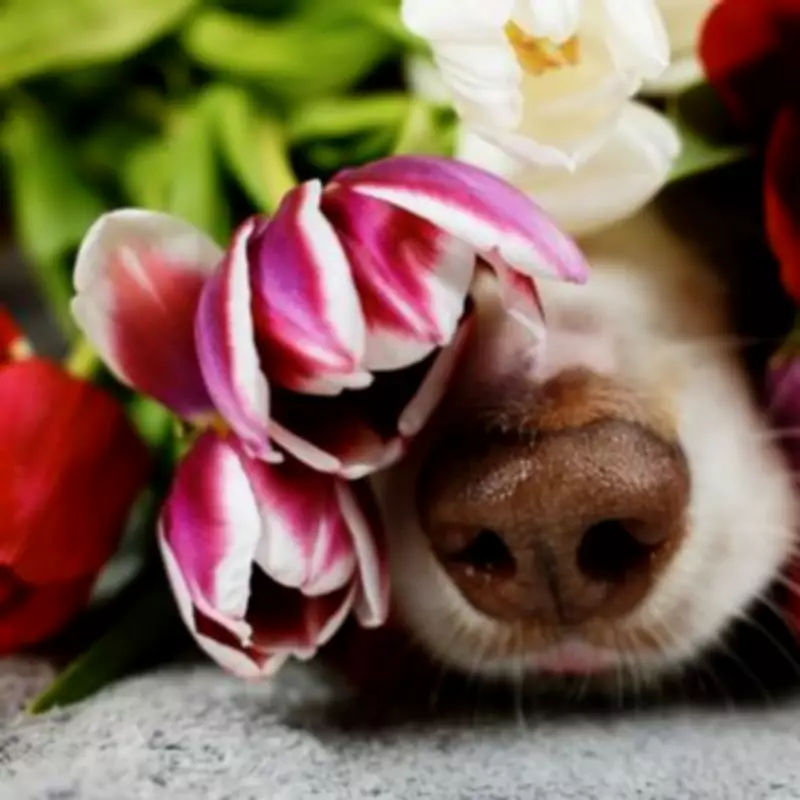
Tulips: These popular spring flowers can irritate a dog's mouth and gastrointestinal tract if ingested. Symptoms typically include drooling, vomiting, and diarrhoea, but in more serious cases, tulip poisoning can lead to heart problems and breathing difficulties. The bulbs are the most toxic part of the plant and should be kept well out of reach of all pets, including cats.

Lilies: Numerous lily varieties contain insoluble calcium oxalate crystals or cardiac glycosides, both of which are highly toxic to dogs and cats. Purina advises that it is better to be safe than sorry, recommending that lilies be avoided entirely in homes and gardens. If you receive a bouquet containing lilies, display them in an inaccessible location and dispose of them safely once wilted.
Daffodils: Blue Cross warns that daffodils are toxic to dogs if they consume the flowers, bulbs, or even drink water from a vase holding daffodils. The bulbs contain concentrated toxins and can cause symptoms such as upset stomach, vomiting, lethargy, wobbliness, and seizures. Pet owners should also prevent dogs from digging up daffodil bulbs in gardens.
Amaryllis: Often featured in bouquets for their vibrant red hue, amaryllis plants are naturally toxic in all parts. Blue Cross stresses that every component of the plant must be kept away from dogs to avoid poisoning risks.
Ivy: Commonly used in floral displays, ivy is poisonous to both cats and dogs. Ingestion can lead to vomiting, abdominal pain, and excessive drooling, making it another plant to exclude from pet-accessible areas.
What to Do If Poisoning Is Suspected
This list is not exhaustive, so pet owners should always verify the safety of any plant or flower in their home. If your pet exhibits symptoms of poisoning, it is crucial to act quickly. Experts recommend noting down key details, including:
- What the pet might have consumed
- When the ingestion occurred
- The potential quantity swallowed
- Any observed signs or symptoms
Immediate veterinary attention is essential in such cases to ensure proper treatment and recovery. By staying informed and vigilant, pet owners can help protect their furry companions from these common but dangerous botanical threats.